
2026 Photo Contest: Gesture Before Matter
In partnership with LAM PLAN

This year, students in the BTS Materials Processing program were tasked with addressing a challenging theme: “Immortalizing practices in materials science for the next generation.” The goal was not to photograph a beautiful component or a microstructure, but to showcase the work itself: monitoring a melt, a quenching process, or a mechanical test.
The photos we received clearly show what these training programs teach on a daily basis: precise techniques, rigorous methods, and genuine workshop and laboratory skills.
The Winners

🏆 First Prize: The Renaissance of White Metal
Léo Gilbert, Mathis Carrez, Lothaire Lagarrigue, and Benyamin Talla
, BTS in Materials Processing, Lycée Rouvière, Toulon
To demonstrate the unique emission spectrum of each metallic element when excited, we burned aluminum powder in a metal torch containing cotton soaked in alcohol. The characteristic emission spectrum of aluminum contains red, green, and blue lines that are not discernible to the human eye and therefore appears pure white. Léo held the tongs to secure the torch, Lothaire sprayed the alcohol to keep the flame burning, Mathis poured the aluminum powder, and Benyamin took the photo. This experiment was conducted in the workshop under a fume hood with active ventilation, using appropriate PPE (heat-resistant gloves, automatic face shields, work overalls, and a fire-retardant leather jacket).
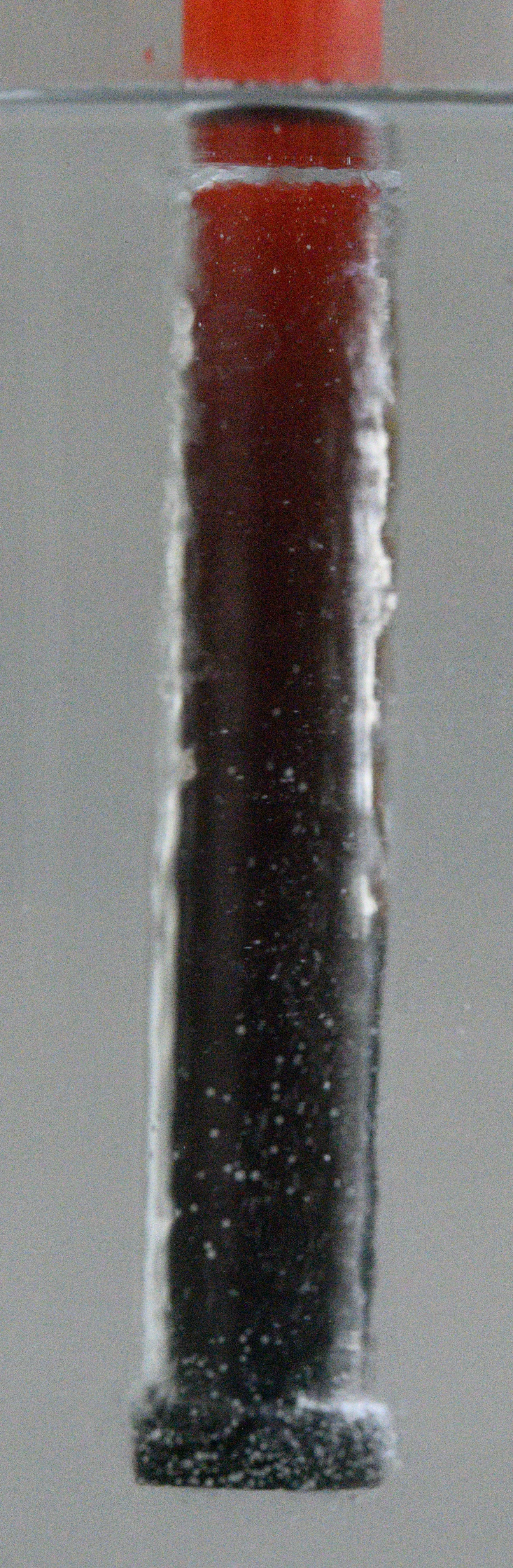
🔧 Technical Award: Evaluating a quenching fluid's ability to cool a workpiece: the drasticity test
Kyllian Roussel and Maël Pham Cong
, 2nd-year students in the BTS Materials Processing program at Lycée Jean Mermoz, Saint-Louis
Just as engine oil gradually loses its effectiveness over time, quenching fluids must retain their properties to ensure optimal cooling of the treated parts.
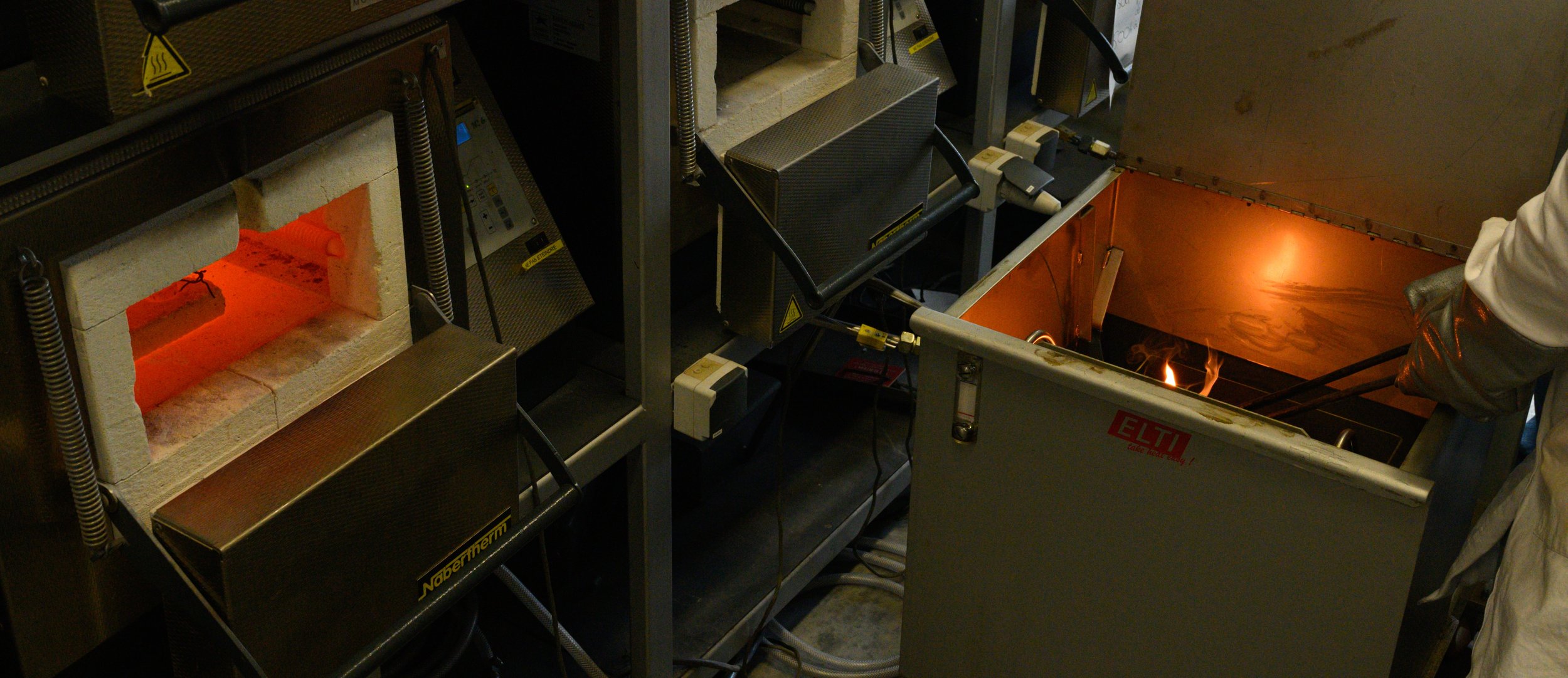
To evaluate their performance, a drasticity test is conducted. A cylindrical probe made of a superalloy is heated to 850°C and then immersed in the fluid to be analyzed—in this case, a polymer solution. The exposed portion of the probe appears bright red, indicating its high temperature. Its cooling rate is then recorded and compared to previous tests or a reference curve to verify that the fluid retains its cooling capacity.
Upon contact with the incandescent probe, the fluid vaporizes instantly and forms a vapor sheath around it. This gaseous envelope acts as an insulating barrier, temporarily limiting heat transfer between the probe and the liquid. Under the effect of thermal shock, this sheath gradually becomes unstable and eventually ruptures, sometimes accompanied by a characteristic detonation. The photograph captures precisely this moment: the rupture of the vapor shell begins at the lower part of the probe, marking the transition to the boiling phase and the intensification of cooling.
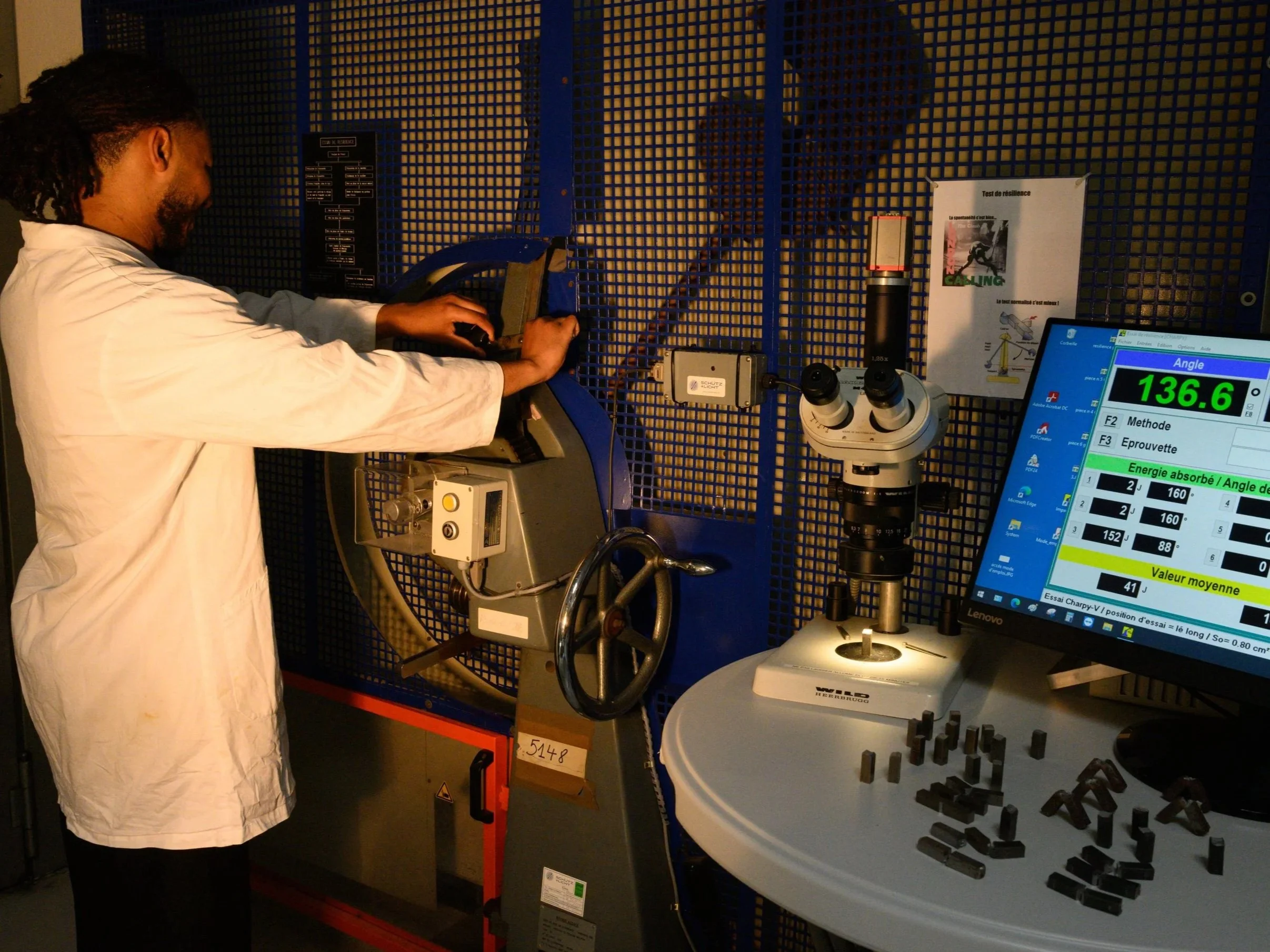
📢 Communication Award: The Resilience Test: When a Hammer and Binocular Magnifier Reveal Materials’ Impact Resistance
Theoman GOURI, 2nd year of the BTS in Materials Processing, Lycée Jean Mermoz, Saint-Louis
In the field of metallurgy, understanding how a material behaves under impact is essential to ensuring its strength and reliability. This is where the impact test comes in—a method used to evaluate the energy required to fracture a metal specimen.
The test is simple but revealing: a pendulum hammer is dropped from a specific height, striking a standardized specimen with great force. The fracture of the specimen absorbs part of the hammer’s initial energy, which is measured precisely. The higher this energy, the tougher the material is and the better it is able to absorb shocks without breaking.
But the test doesn’t end there. Once the sample has broken, it’s time to bring out the binocular magnifying glass. Under its lens, the fracture surface reveals its secrets: Is it ductile, with visible deformations? Or brittle, with clean, shiny fracture surfaces? Every detail observed helps us understand the fracture mechanisms and adapt heat or mechanical treatments to improve the material’s properties.
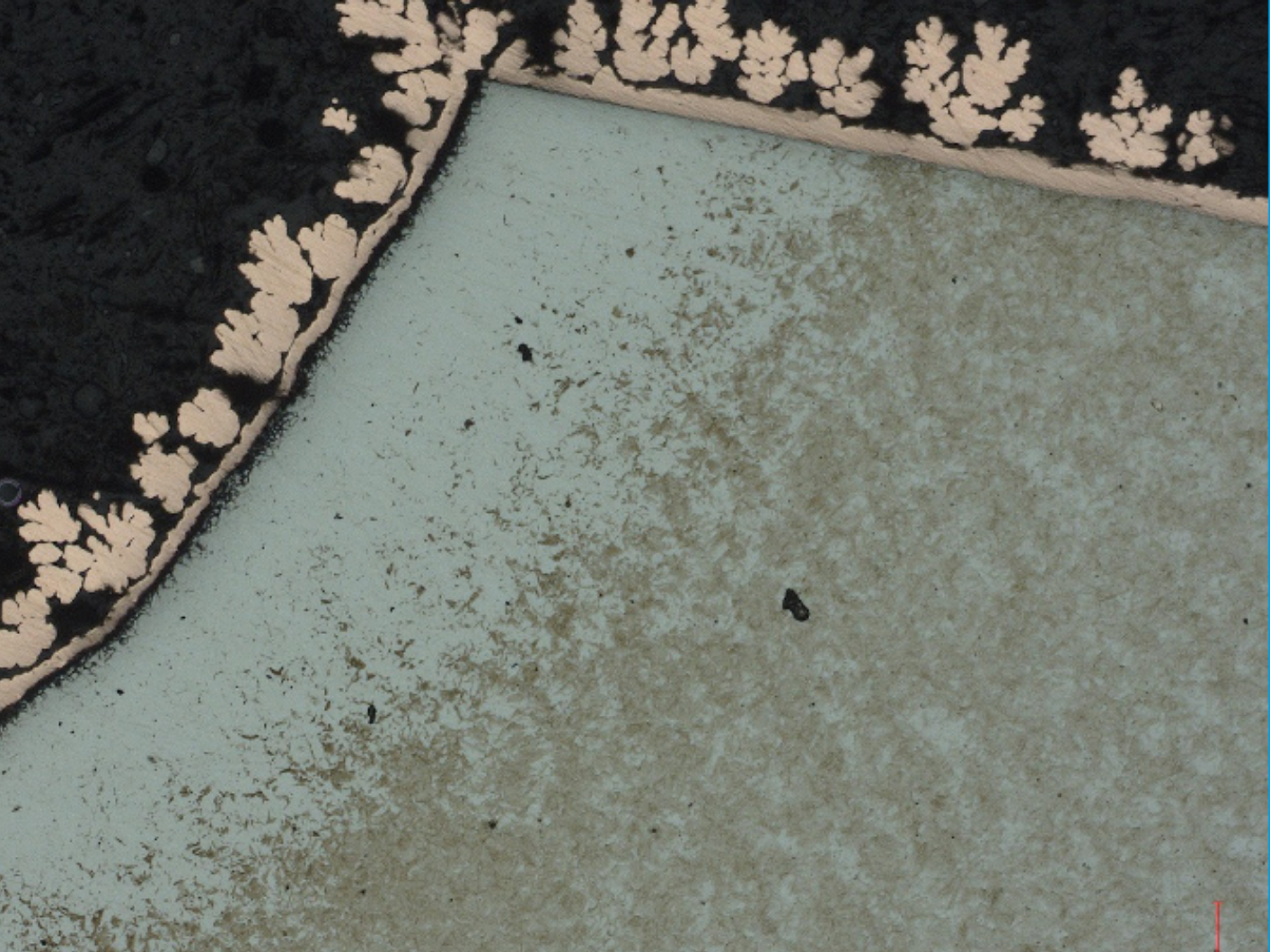
📢 Aesthetics Award: Copper in Lace
Flavie Bayle and Rayan Maghraoui
, BTS in Materials Processing, Lycée Rouvière, Toulon
This is a micrograph showing a specimen whose surface troostite we want to measure. To counteract the edge effect, we applied a coating
copper, so that the edge effect occurs on the copper rather than on the surface of the piece. As a result, we see copper “mushrooms” characteristic of point effects. The copper appears like lace covering an object.
Also in the running
Allocations
Winners receive gift certificates for laboratory supplies, funded equally by A3TS and LAM PLAN. The first prize is worth €800, and the other three prizes are worth €400 each. This will provide the schools’ laboratories with the equipment they need.
LAM PLAN, a partner of the contest
The competition would not have been as successful without LAM PLAN. Beyond funding the prize money, the company was involved at every stage: in preparing the competition alongside Jérôme Seureau, and on the judging panel, represented by its president, Marie Troutot. This commitment demonstrates the importance the company places on training future technicians in the industry. We extend our heartfelt thanks to them.
Organization and Judging Panel
The competition was organized by a team of educators and industry representatives: Fabrice Turpin (Grenoble School District), Imane Dhaouadi (Toulon School District), Séverine Roger (A3TS), Frédéric Meunier (Oerlikon), and Jérôme Seureau (LAM PLAN).
The photos were judged by a panel consisting of Marie Troutot (president of LAM PLAN), Véronique Vitry (A3TS), Sylvain Batbedat (Bodycote), and Anne-Sophie Mazé (director of UITS).
Congratulations to all the participants on the quality of their work. See you in 2027 for the next edition!