Tribology & Surface Treatment Days - J2TS 2025
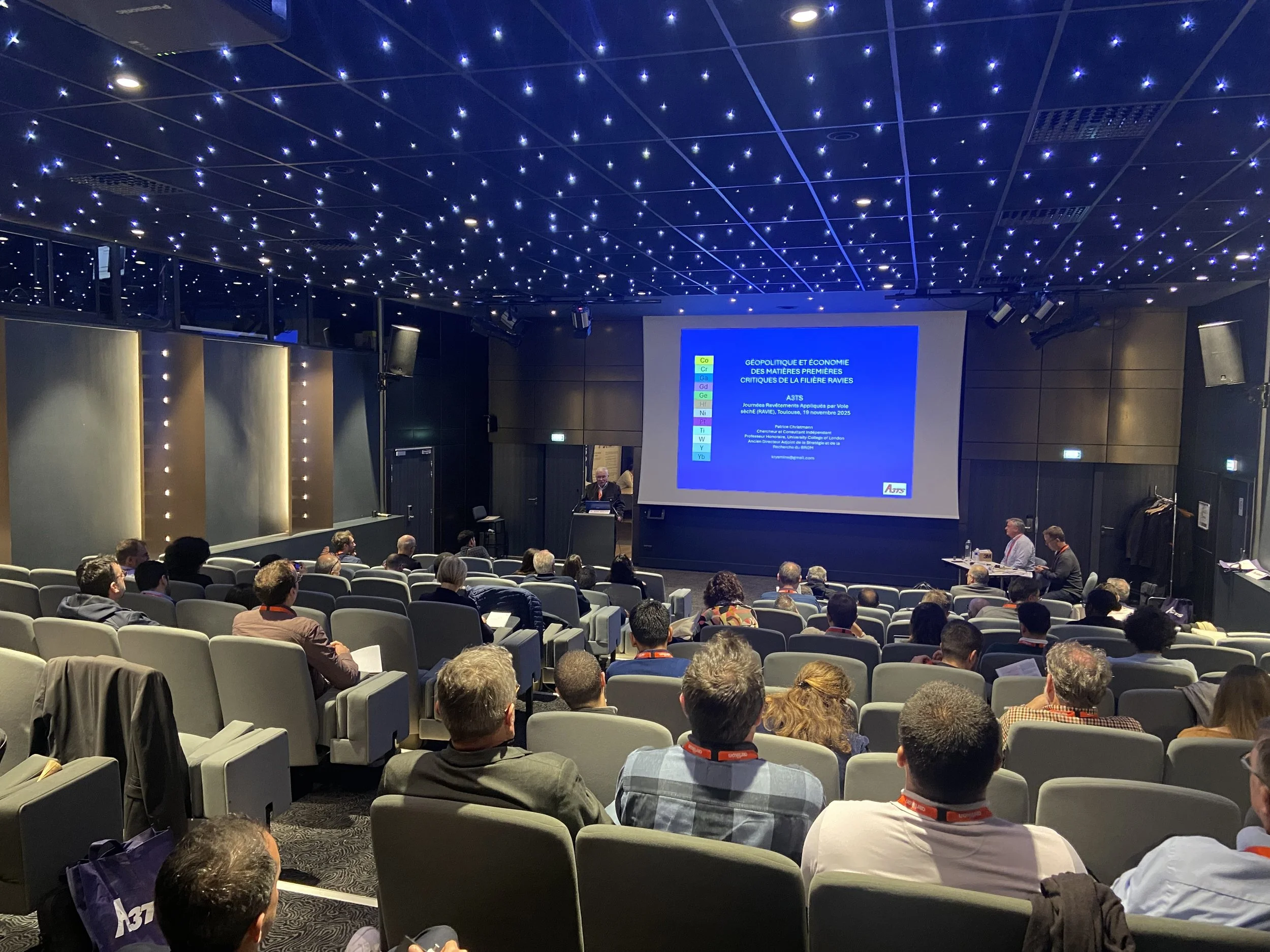
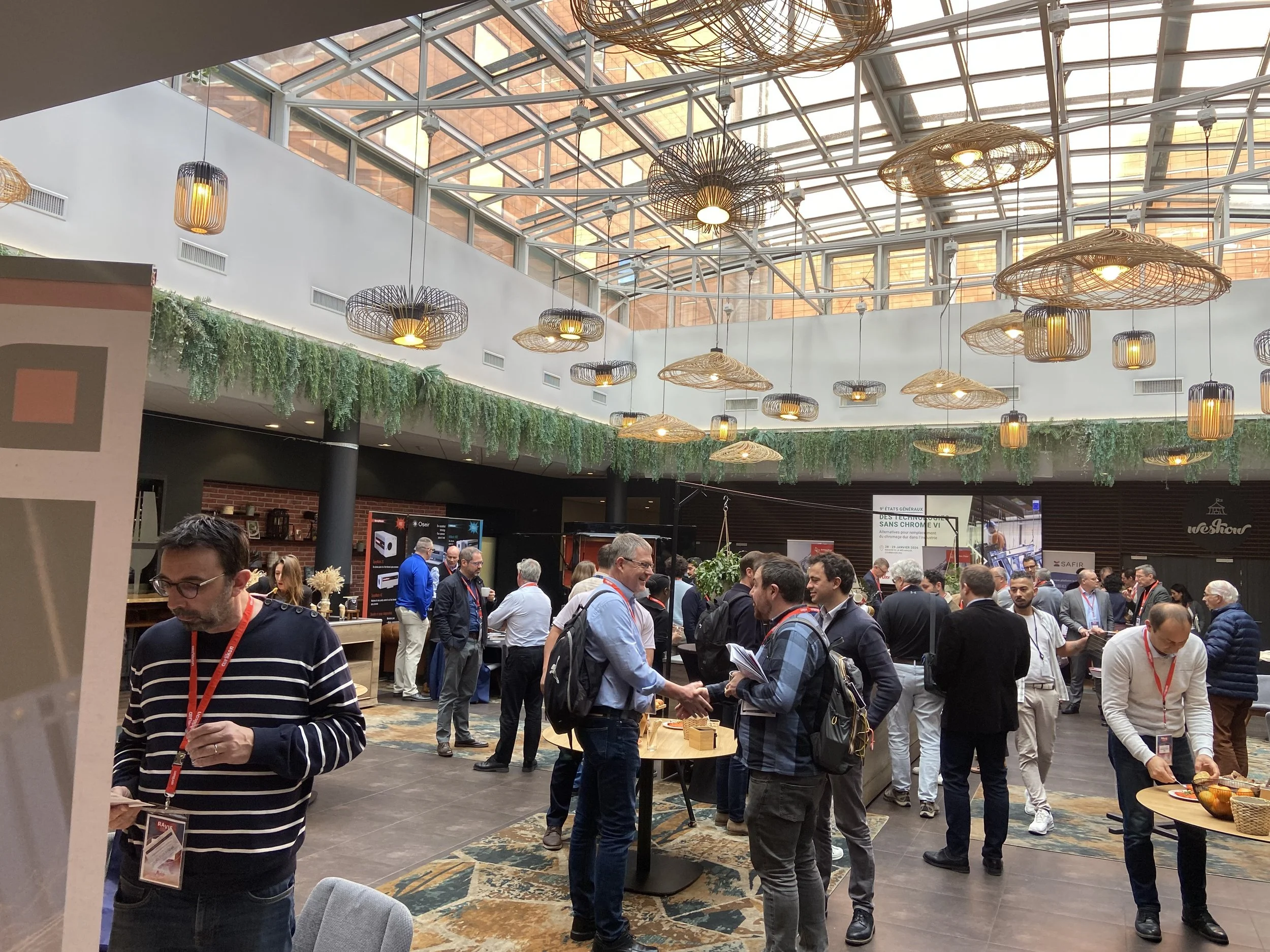
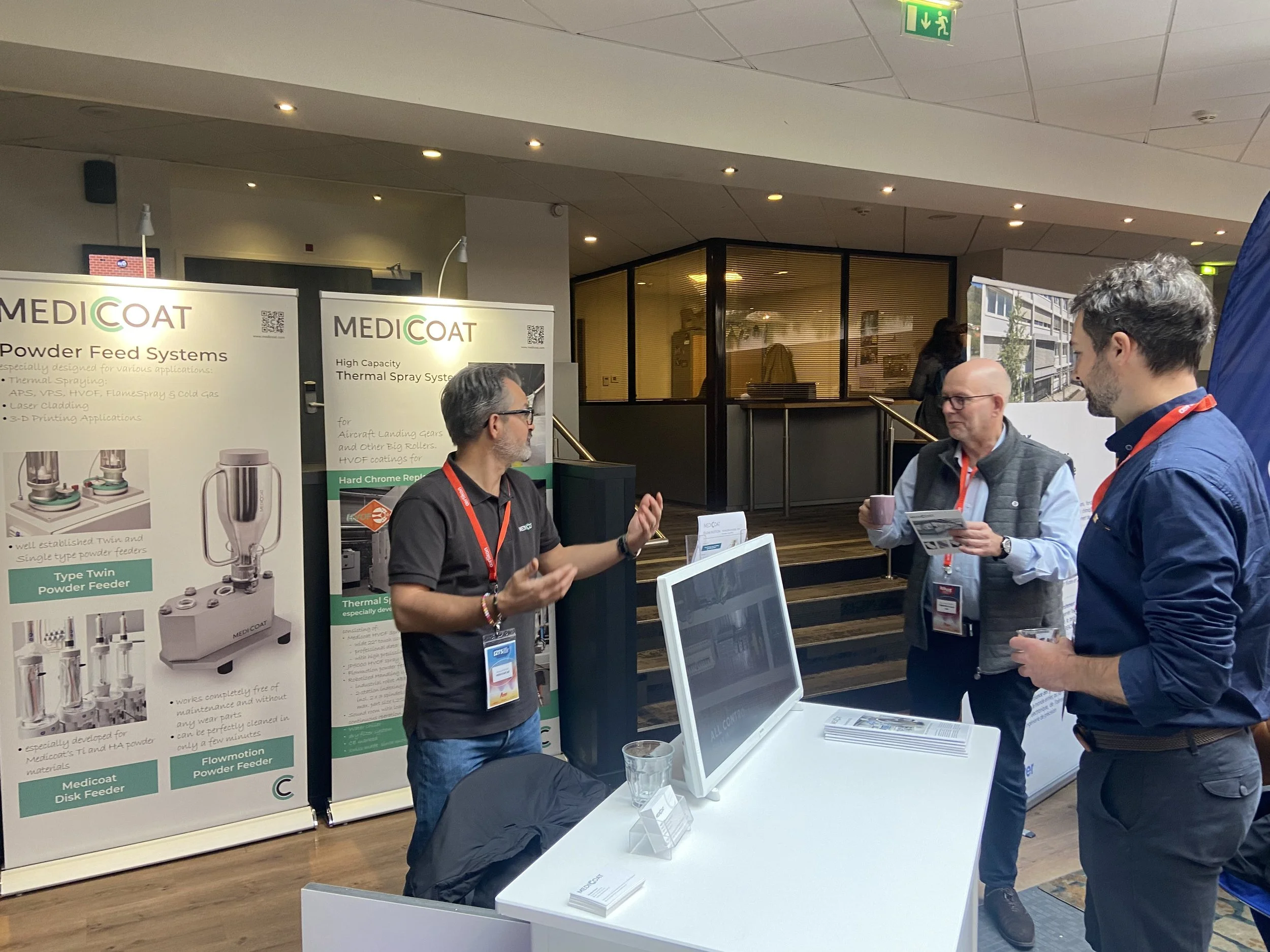
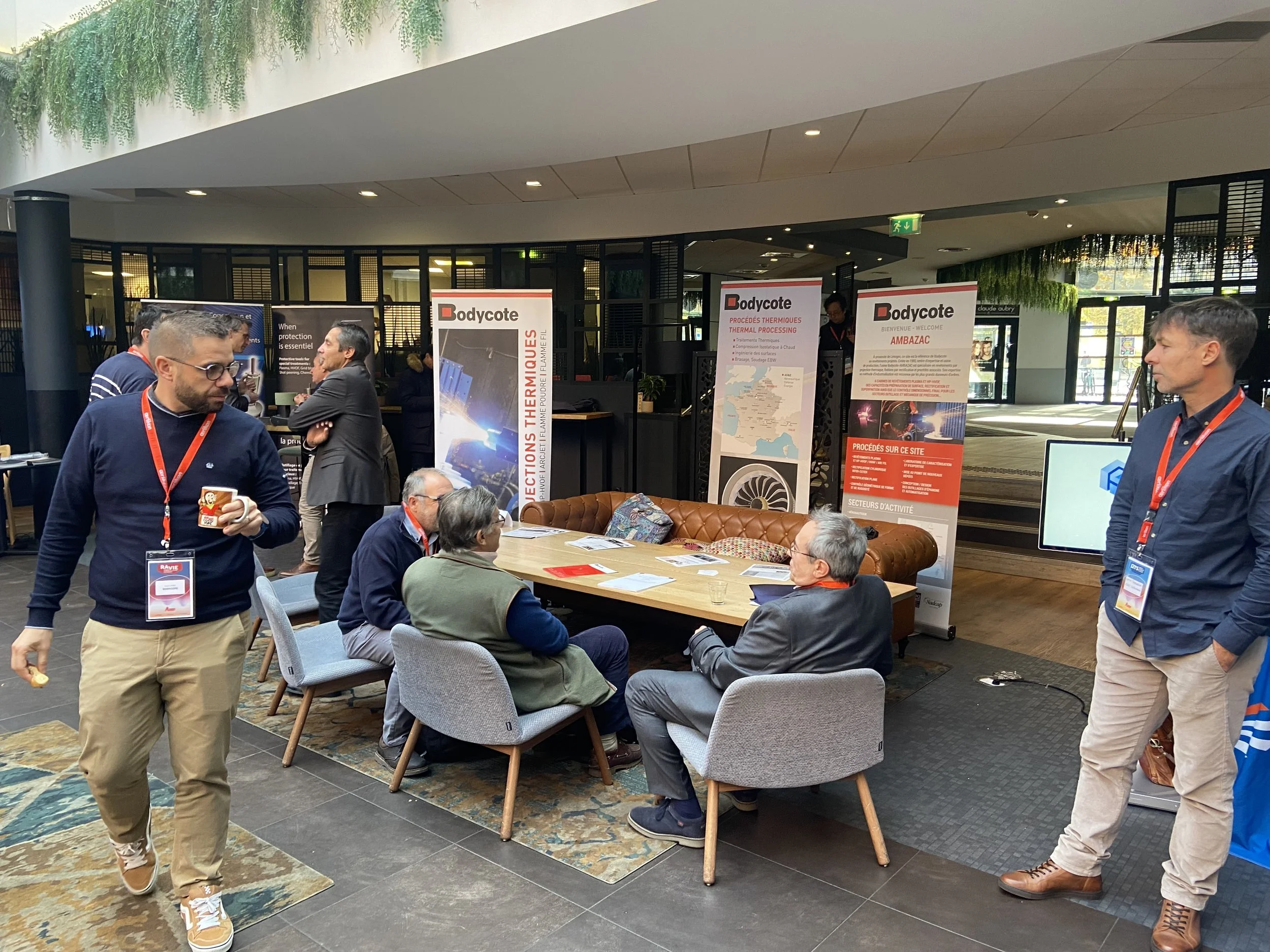
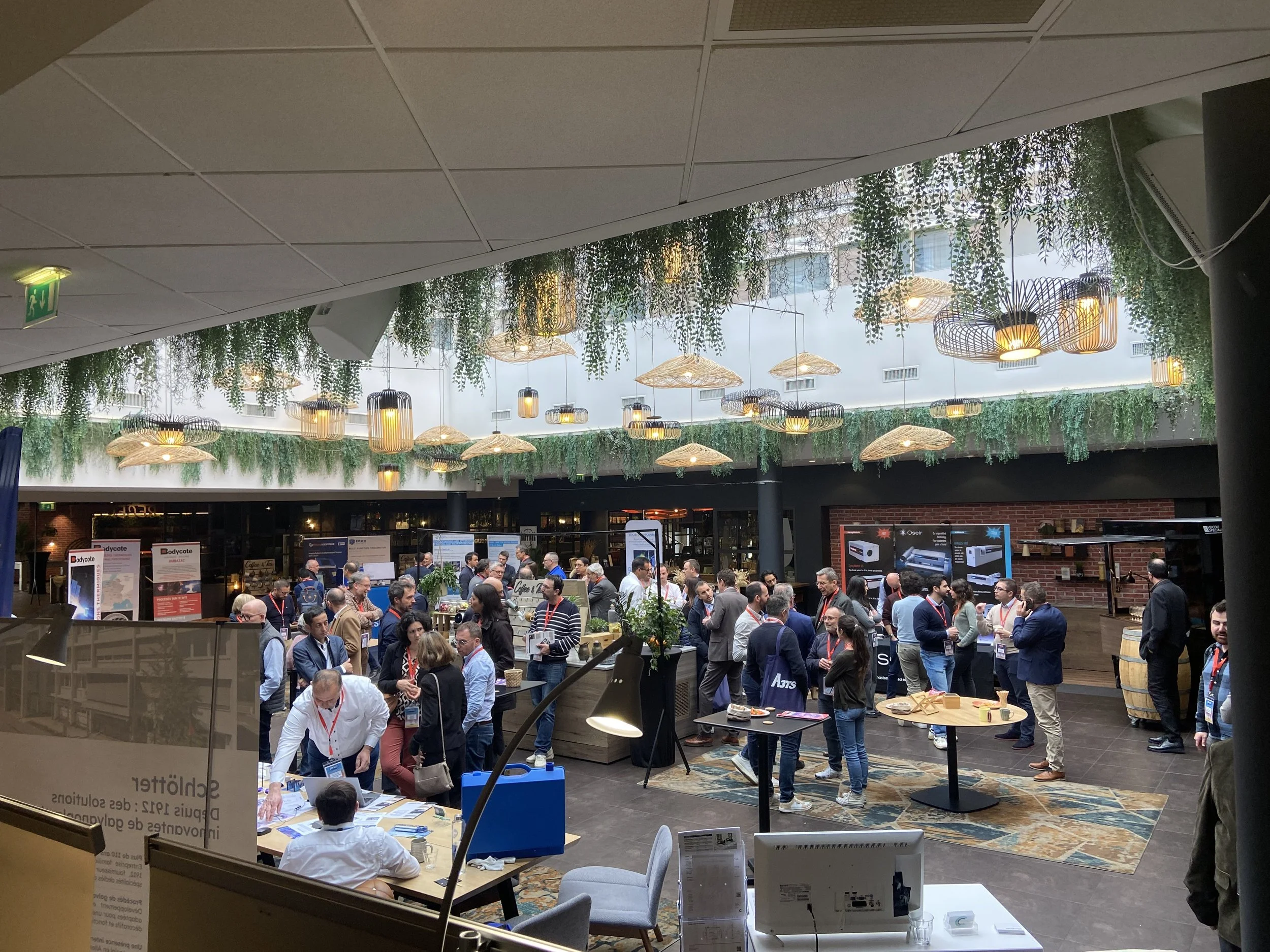
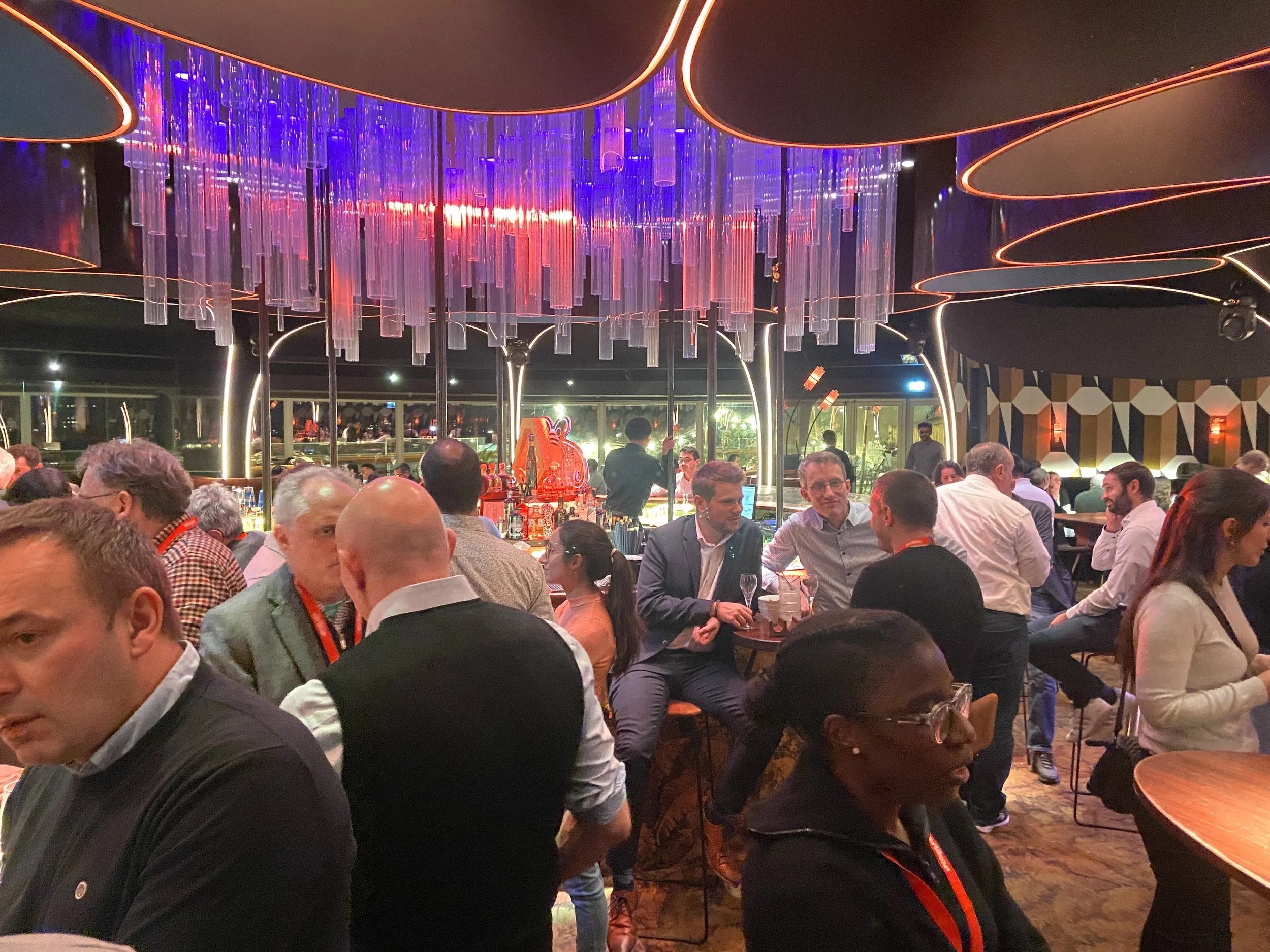
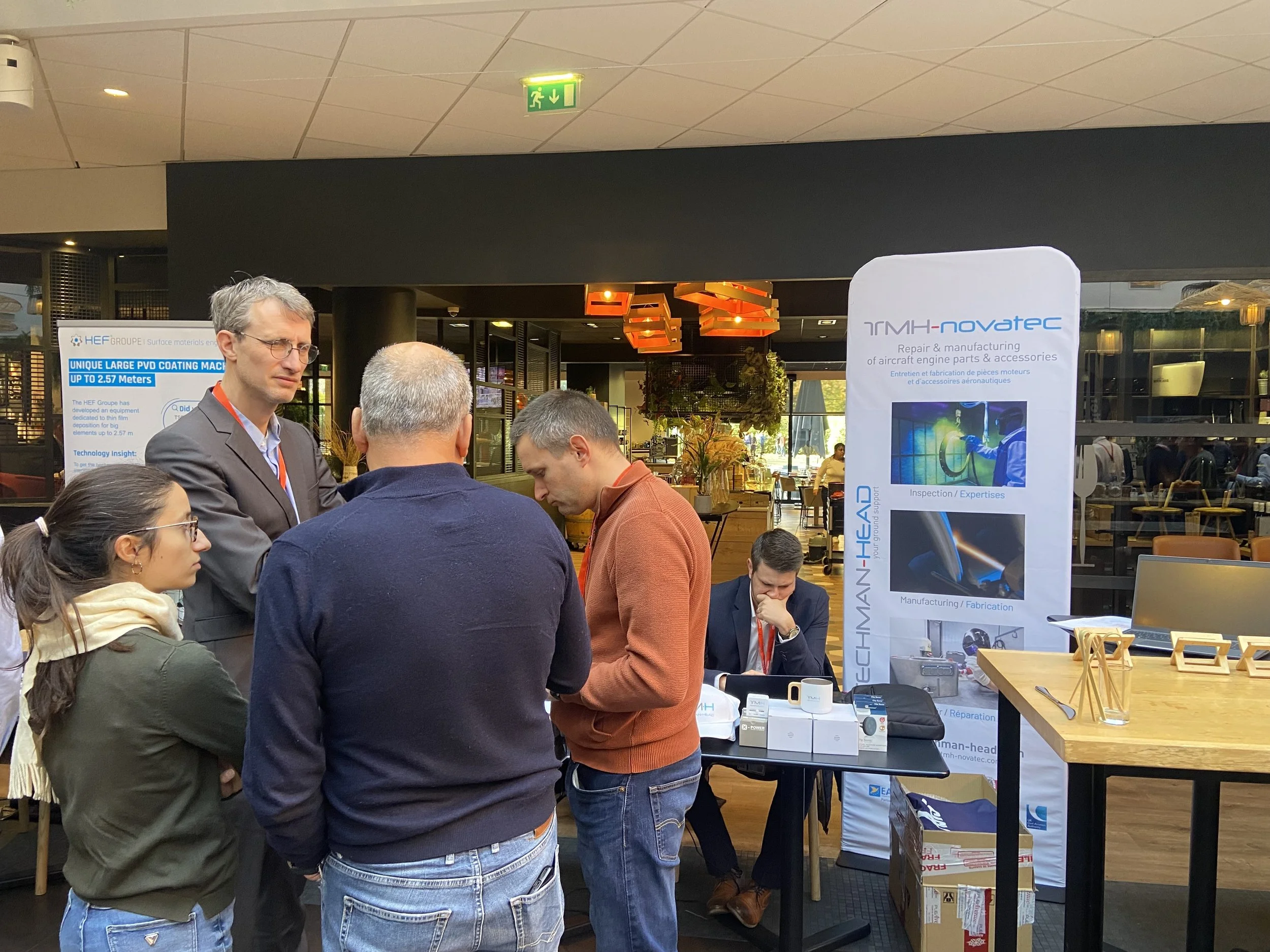
On November 19 and 20, the fourth edition of the Tribology and Surface Treatment Days (J2TS) organized by the Tribology Commission took place. After Limoges in 2017, a remote edition in 2020 (filmed from St Etienne) and Senlis in 2023, it will be Toulouse's turn in 2025. This year, the J2TS was combined with the conference dedicated to dry coating processes, which will now be called RAVIE. Toulouse was chosen as the venue in order to facilitate access to the conference for the many players in the aeronautics sector. In addition to the interest for participants in being able to attend conferences on both tribology and processes, this combination generated an extremely positive dynamic, particularly for the exhibition, which brought together players in the surface treatment sector and companies offering testing and diagnostic services. The highlight of these exchanges was the gala dinner at the Ma Biche sur le Toit panoramic restaurant.
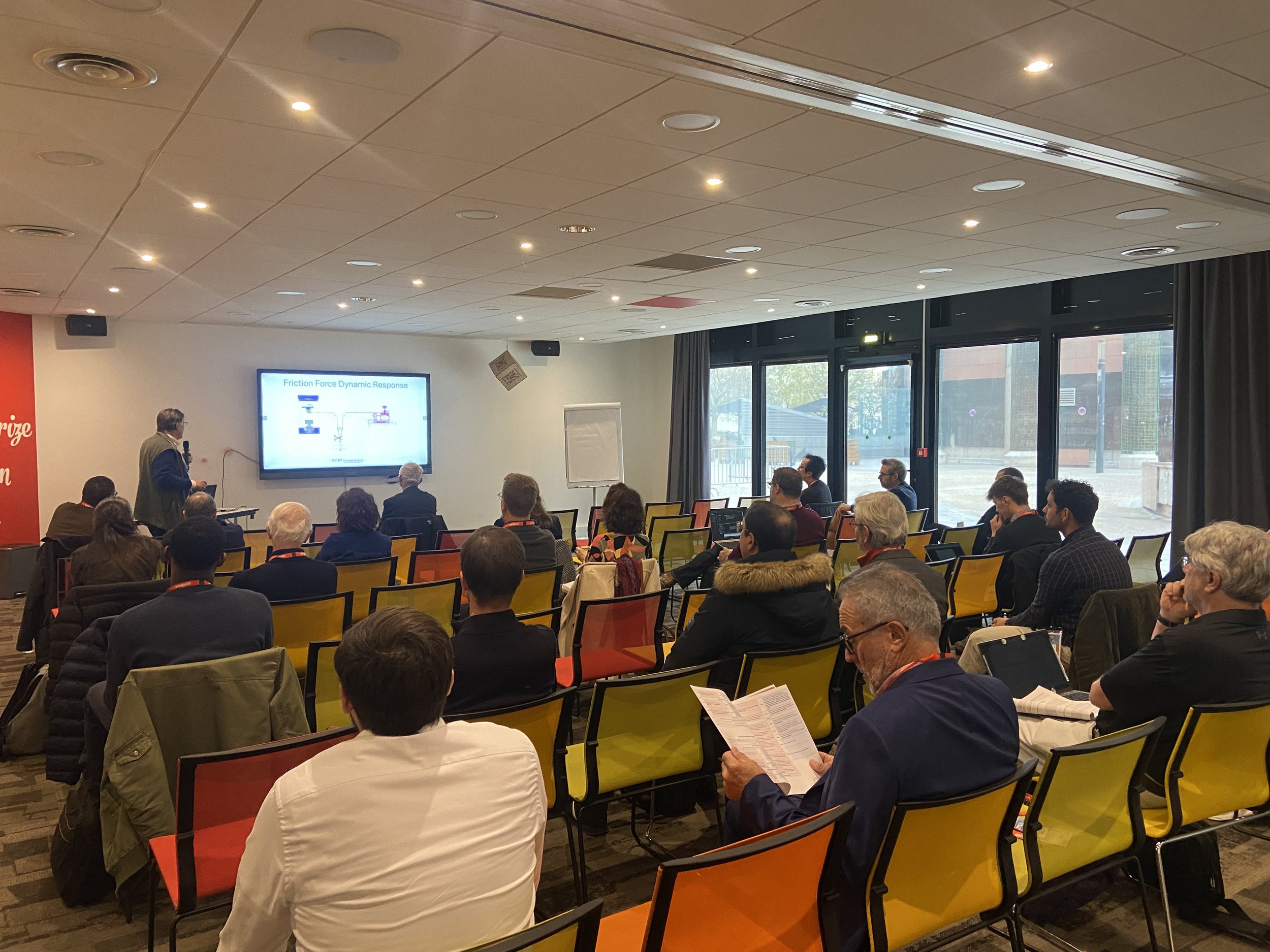
The topics covered by the J2TS were diverse and perfectly aligned with the tribology commission's missions. The opening presentation was given by Mr. Plint from Phoenix Tribology, who discussed the influence of a tribometer's loading mode on the results.
The issue of substituting problematic treatments was discussed extensively at all TRLs.
On the low TRL side, several presentations introduced us to the graphene ceramic deposits developed by local partners, the CIRIMAT laboratory at Paul Sabatier University, in a collaborative project. Other partners in this project, CETIM and LTDS, presented the results of tribological tests and an analysis of behavior with regard to lubrication.
Other presentations provided practical insights into campaigns to validate substitution processes (IRT M2P, UTTOP, DASSAULT AVIATION, CETIM) and possible solutions, including both high-TRL innovations and solutions coming onto the market (OERLIKON, SCHLOETTER).
Regarding the experimental strategy for validating a solution, a presentation was given by IREIS on the application to PFAS alternatives.
Other topics were also discussed: surface modification by mixing (UTBM), advances in tribology under hydrogen (CETIM).
Another question that tribologists are grappling with today is: in a friction problem with 120 potentially influential factors, what could artificial intelligence contribute? A guest lecture by Li Fu from LTDS put the different stages of machine learning into perspective and gave examples of its application.
Another example was provided by SAFRAN AIRCRAFT ENGINE through the use of static coefficient measurements. On this last point, we will reiterate the conclusions that echo the observations made by G. Plint at the outset: anyone wishing to use experimental data with AI must make sure to note ALL possible experimental parameters. We may not necessarily know why at time t, but AI will provide the answer by finding correlations that we would not have intuited.