From Fragilization to Electrolyzers: Key Takeaways from Hydrogen Days 2026
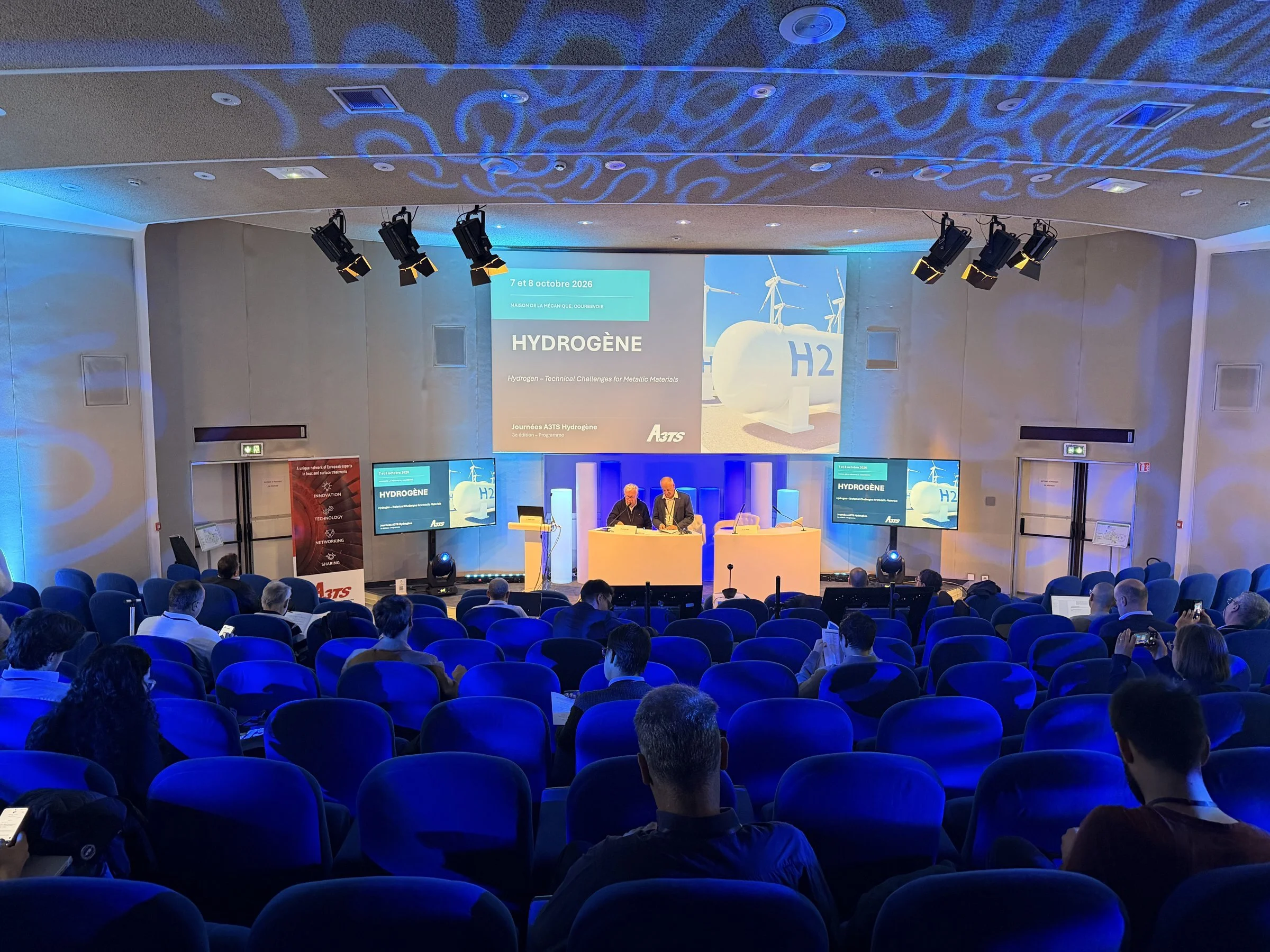
24 presentations, 60 participants, 1 exhibitor (LECO)
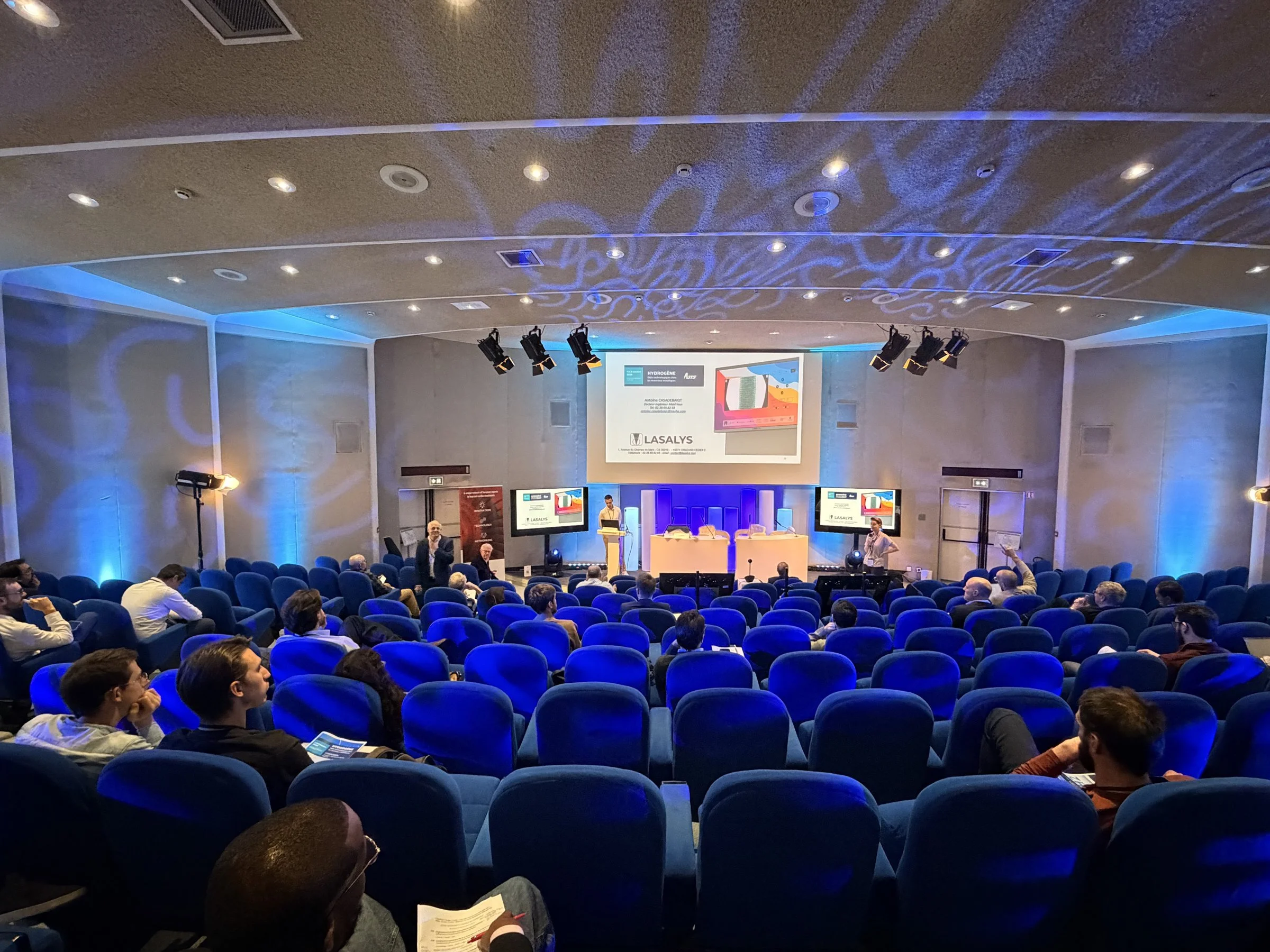
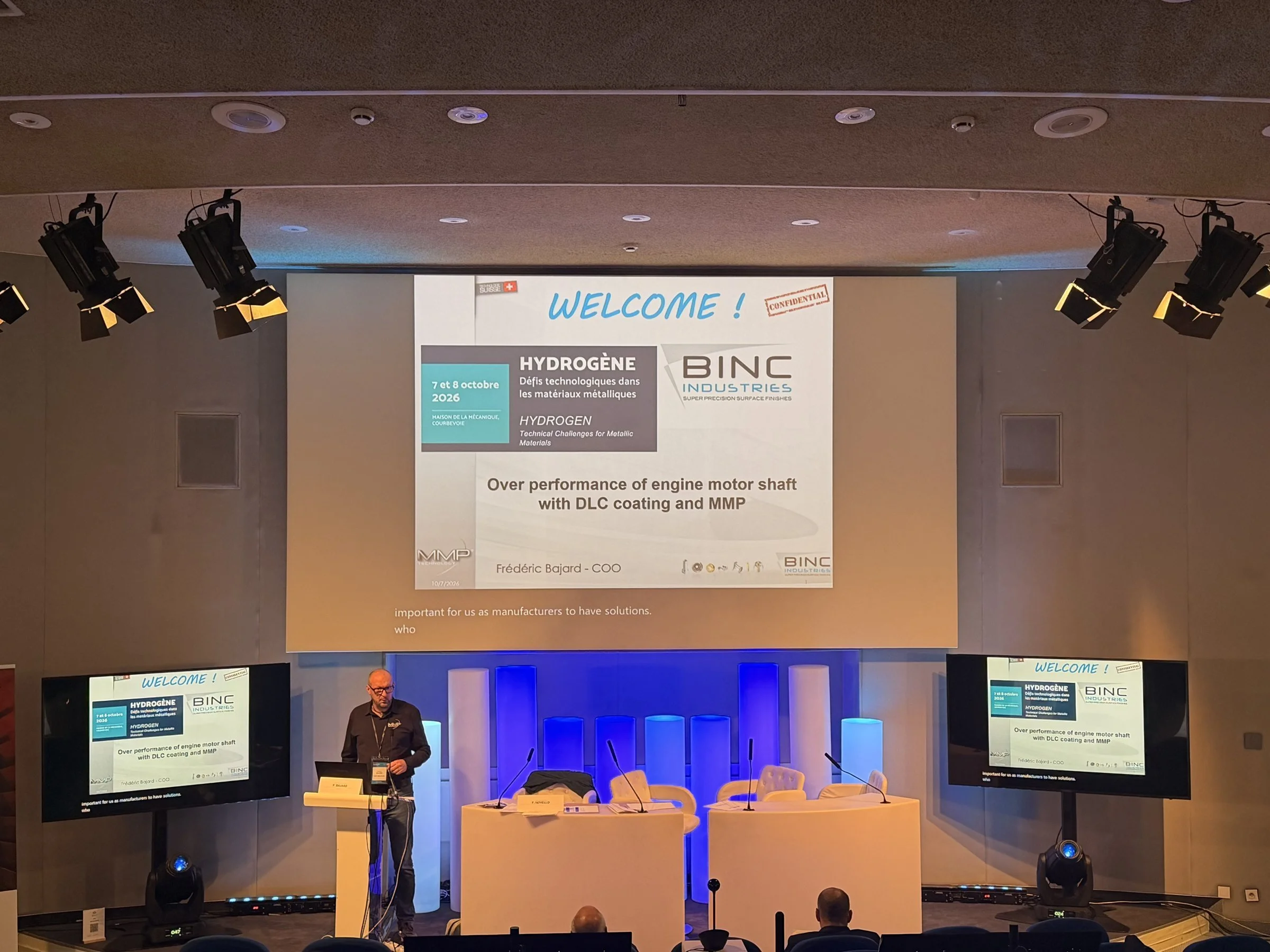
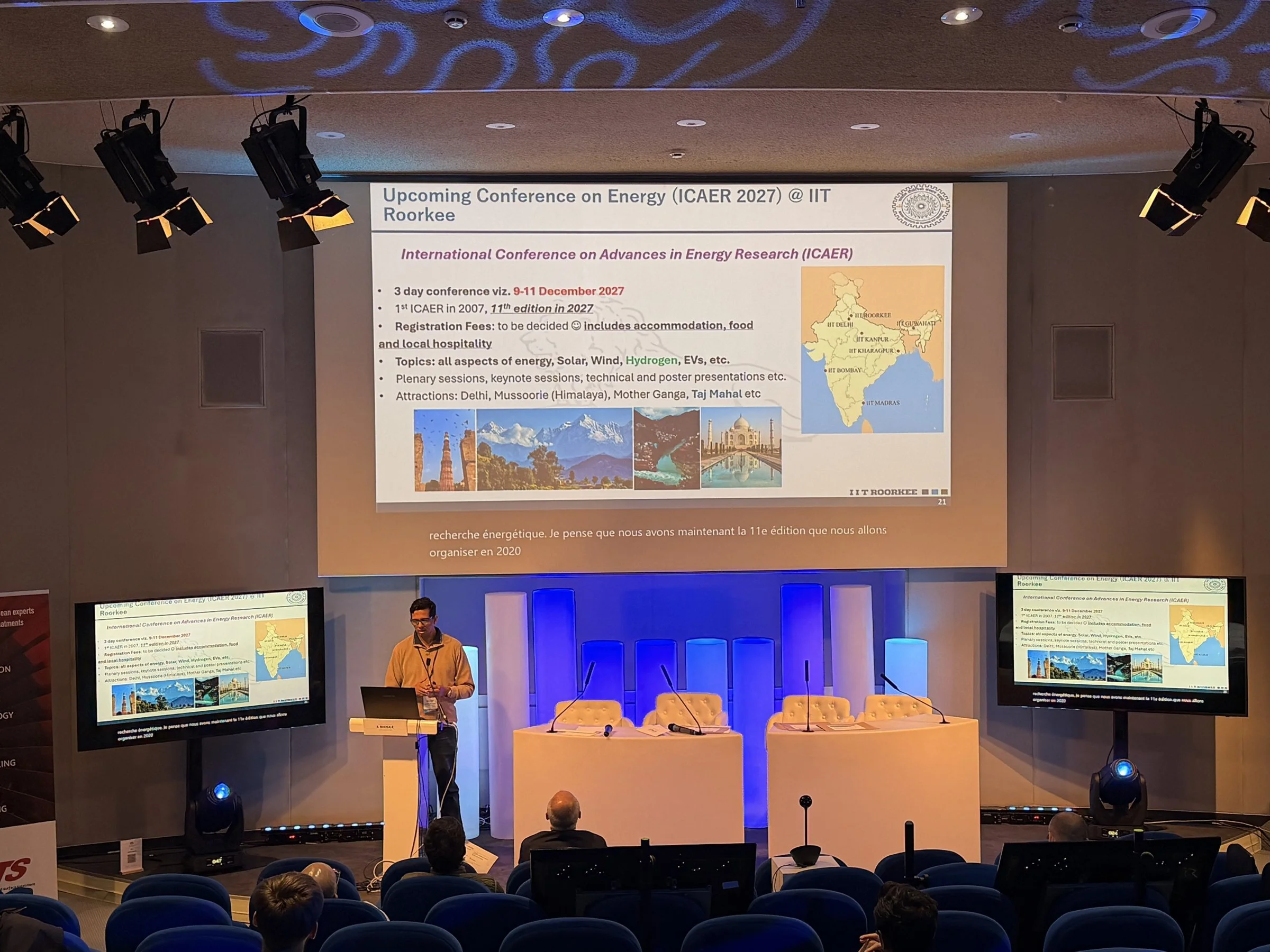
The 2026 edition of “Hydrogen Days: Technological Challenges for Metallic Materials” was held over two days at the Maison de la Mécanique in La Défense/Courbevoie, attended by 60 participants representing industrial players in the hydrogen sector, equipment and service providers, and research laboratories.
A negative perception of the hydrogen sector may have recently taken hold among the general public in France. The speakers who opened the conference put the context into perspective: the hydrogen sector requires the parallel development of its three key components—namely, producers, users, and distribution networks. We need users capable of making commitments, producers who invest in carbon-free hydrogen sourcing, and, finally, network operators capable of serving as the link between producers and users.
The range of applications is shifting toward sectors where hydrogen offers decisive comparative advantages (refining, steel mills, heavy-duty transportation such as long-haul trucks, etc.). The level of development of the hydrogen sector is dictated by regional geographic and economic contexts as well as by public policy. Global investment in the sector is estimated at $110 billion, 30% of which is in China.
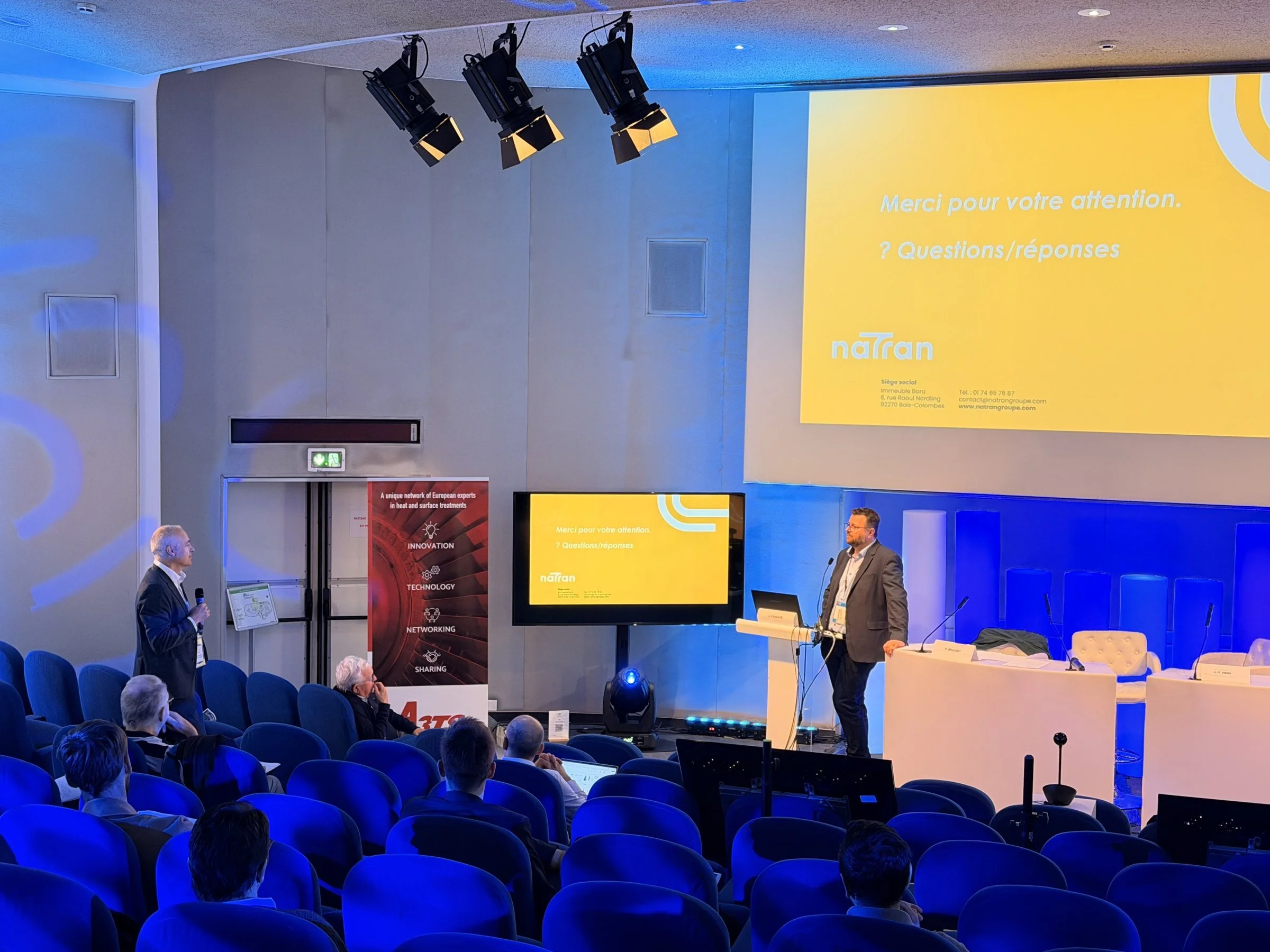
The event was opened by Julien CANCADE (NATRAN), who presented NATRAN’s hydrogen network development plan as well as initiatives to ensure pipeline safety.
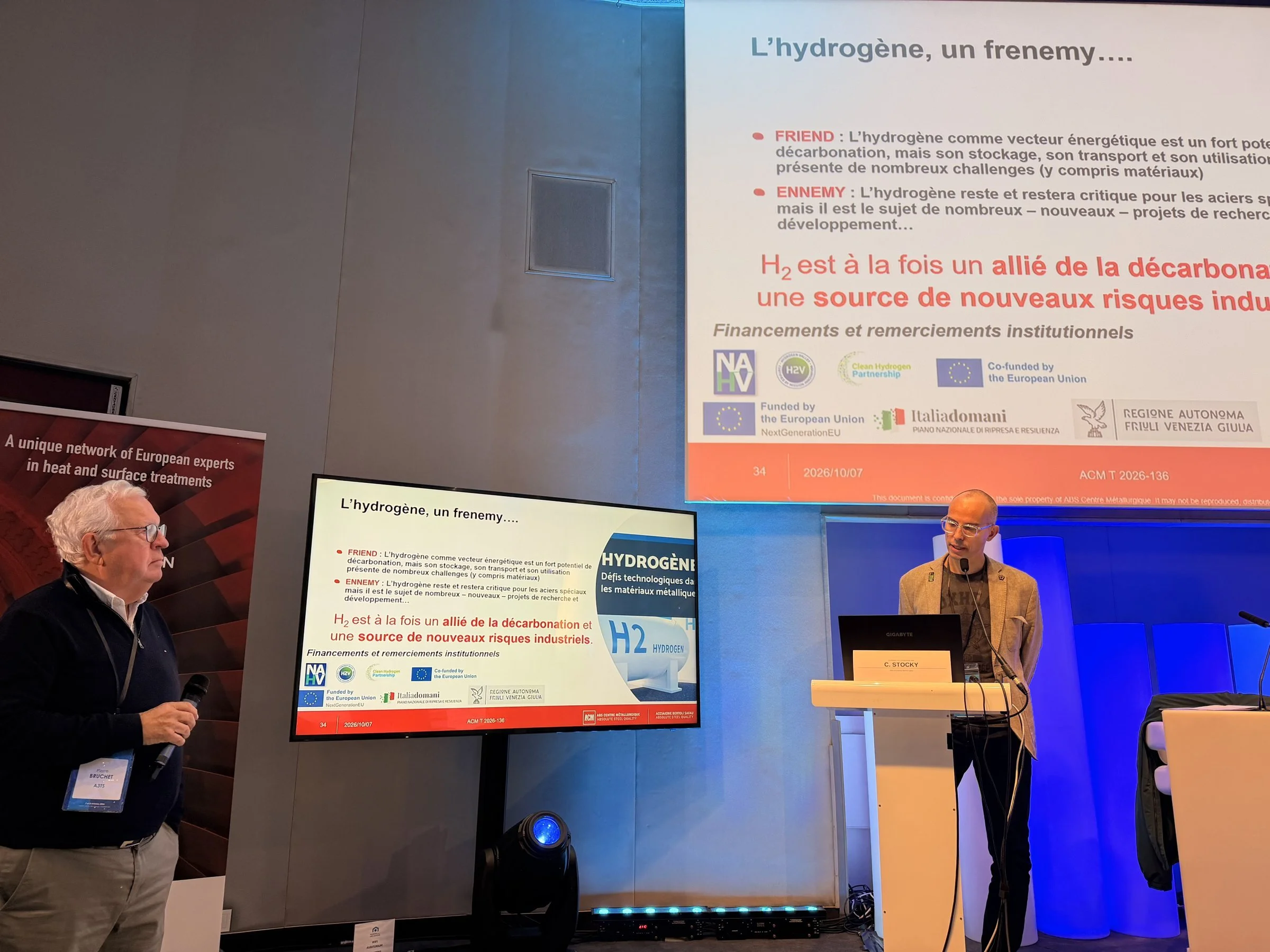
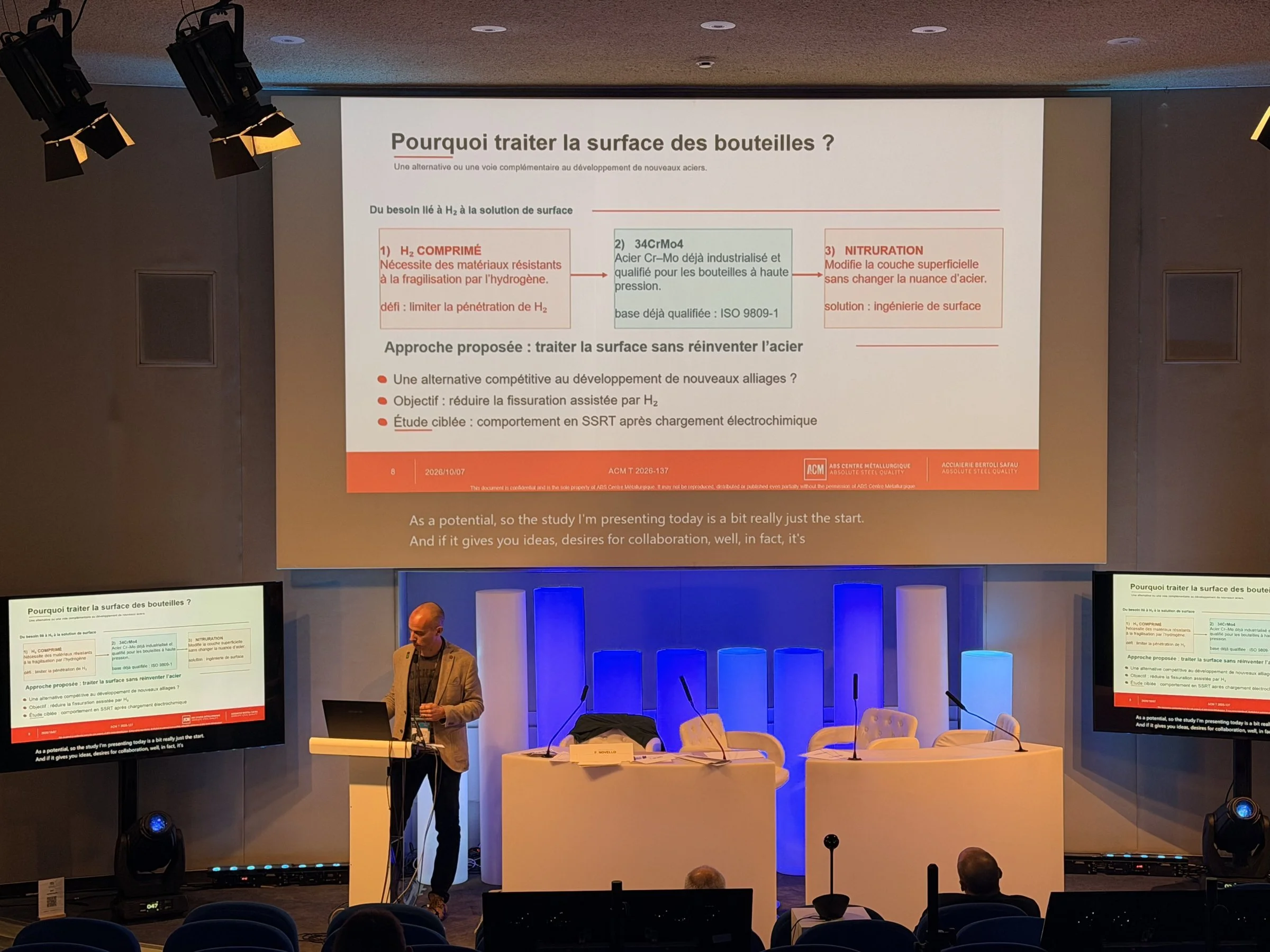
Christophe STOCKY presented the highly proactive strategy of a steelmaking company (ABS Acciaierie Bertoli Safau, part of the DANIELI Group) aimed at achieving net-zero carbon emissions in the long term. He described the applications hydrogen is expected to have in the electric arc furnace process: DRI production, injection into the electric arc furnace, and oxy-hydrogen burners.
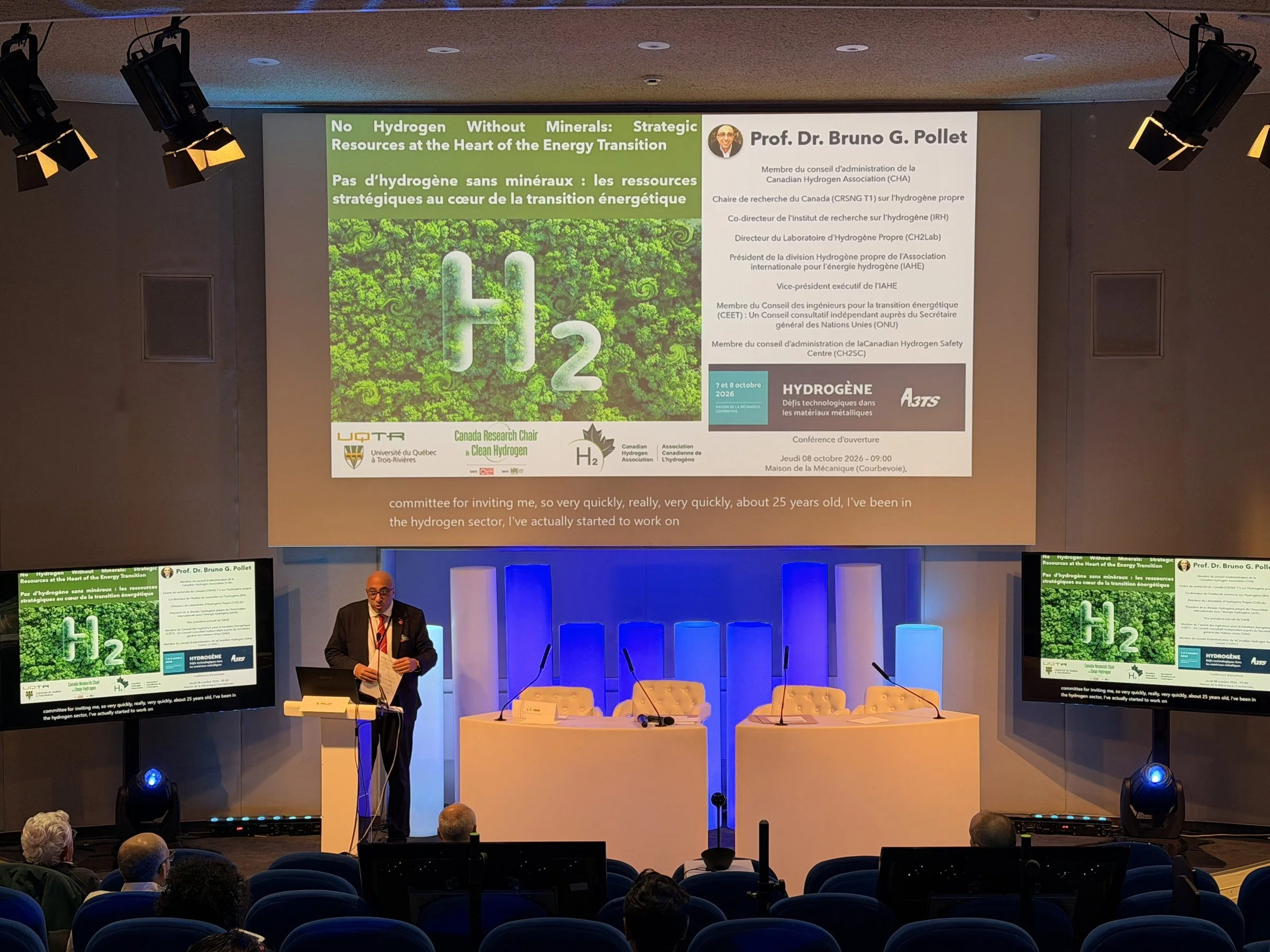
Bruno POLLET, a professor atthe Université du Québec à Trois-Rivières, emphasized the absolutely essential role that many critical materials play in the production of electrolyzer components: platinum, nickel, cobalt, iridium, and many others. The extraction of these materials and the industrial processes for their concentration and purification are currently concentrated in a small number of countries. R&D efforts are essential to restoring a degree of autonomy with regard to these critical materials by leveraging several strategies: substitution, reducing the quantities required, recycling, extending service life, and so on.
Antonin REMOND (HEF Group) provided a very comprehensive overview of green hydrogen production technologies. He noted that alkaline electrolysers will continue to dominate the market in terms of volume, while PEM technology—which is more expensive—is expected to be used in applications where its specific characteristics (compactness, flexibility) give it competitive advantages.
Following these presentations, which “set the stage,” four technical sessions addressed the following topics in succession:
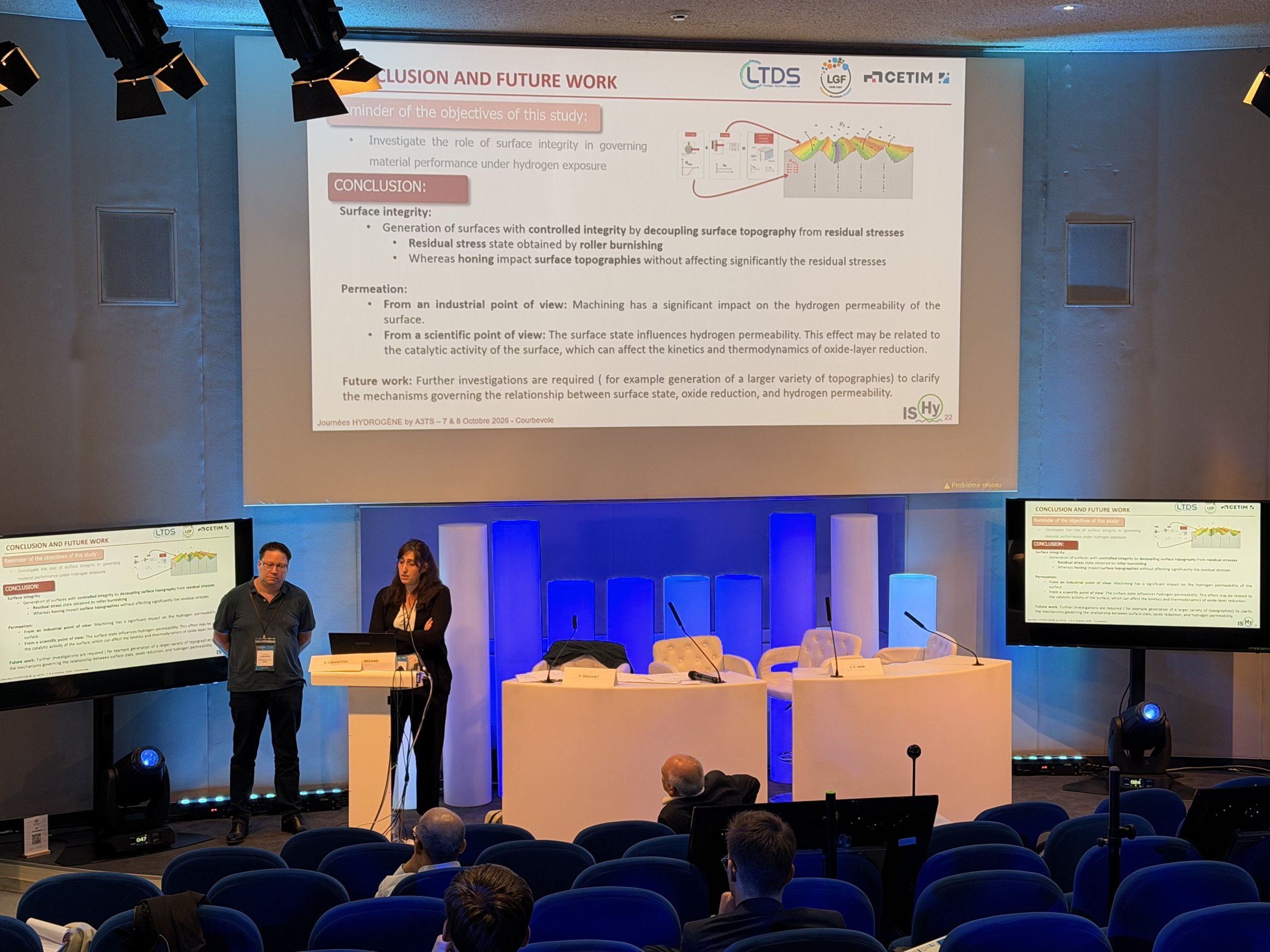
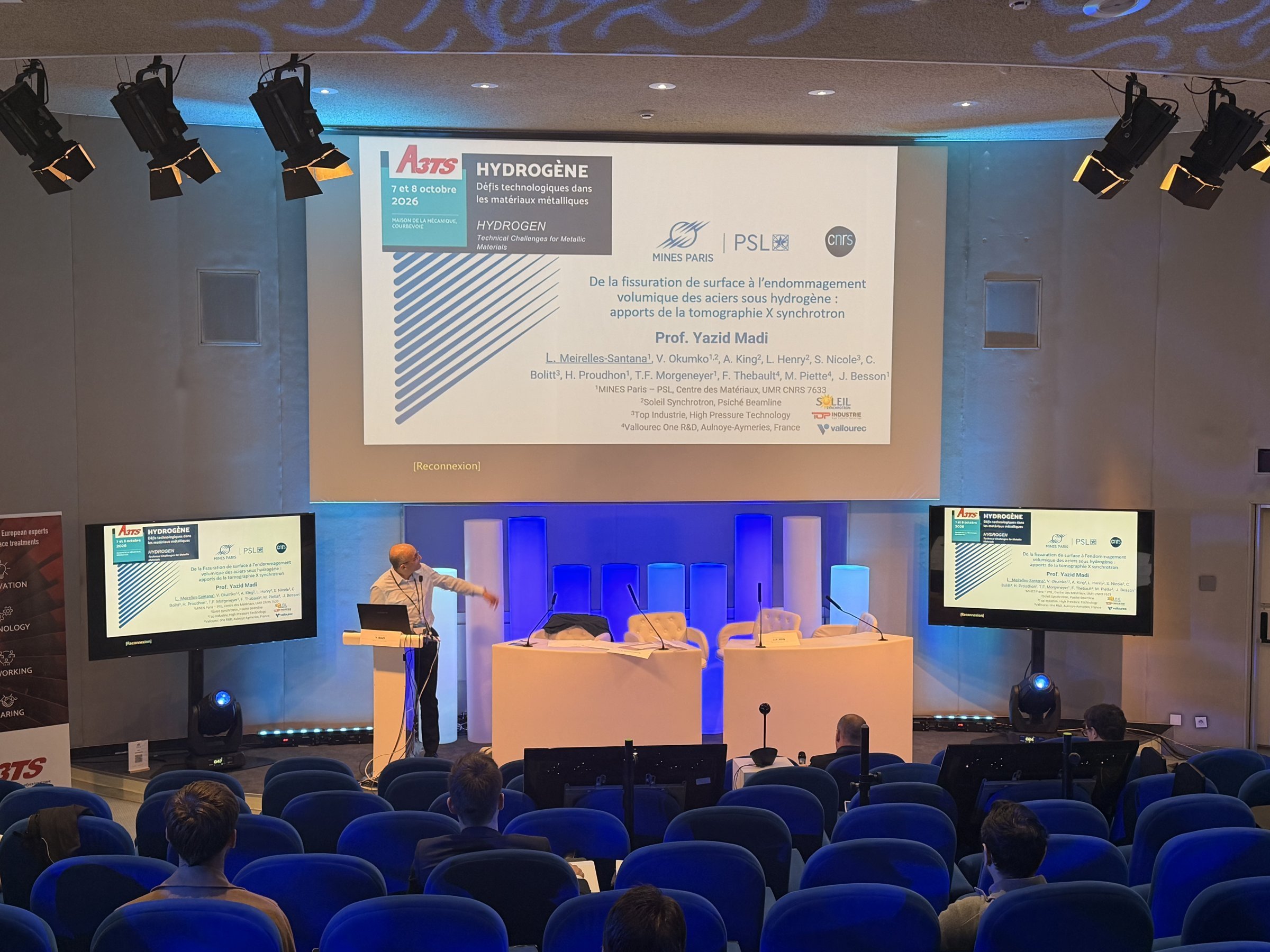
the mechanisms by which hydrogen weakens and damages metal alloys;
industrial solutions deployed for infrastructure;
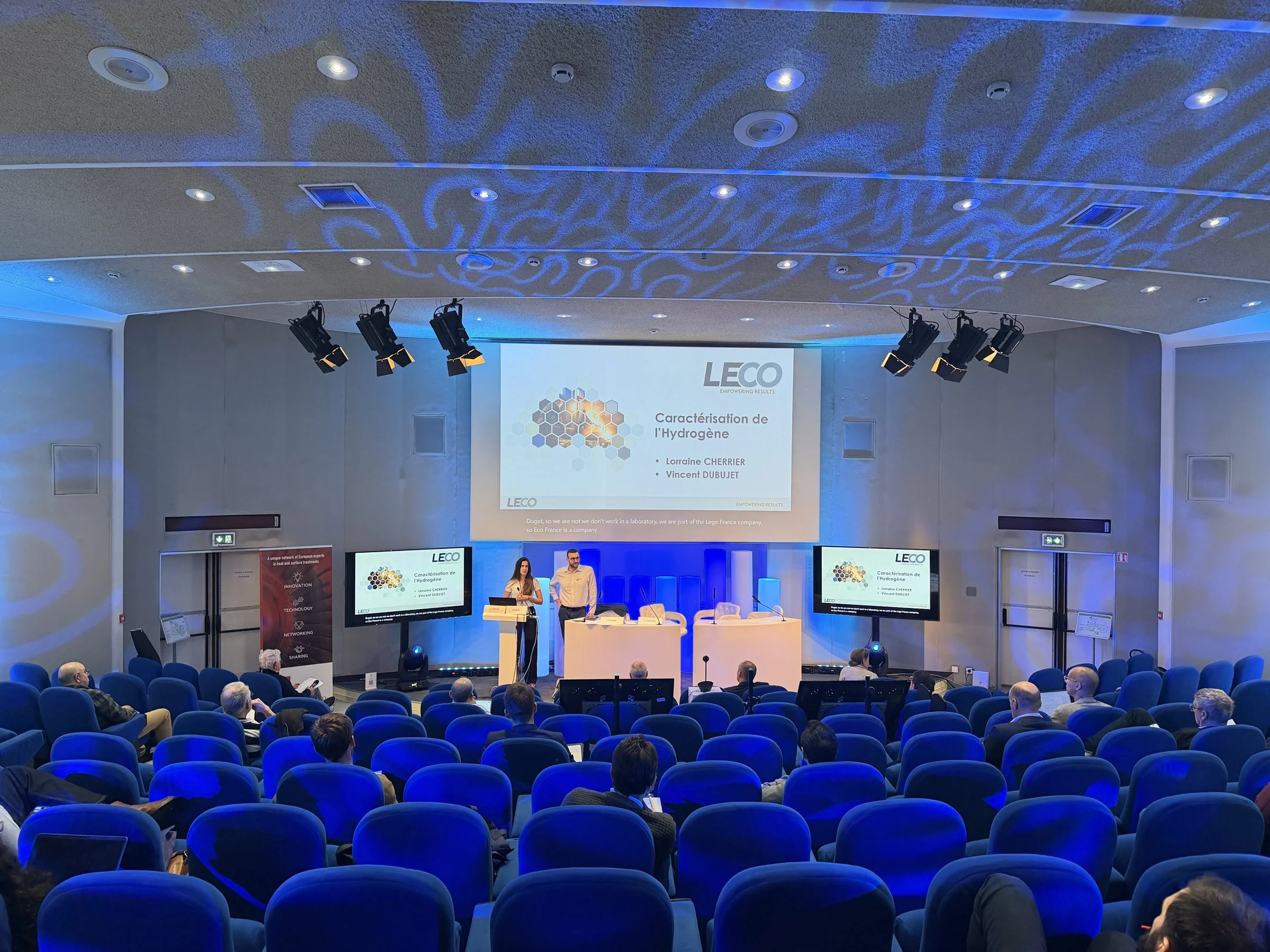
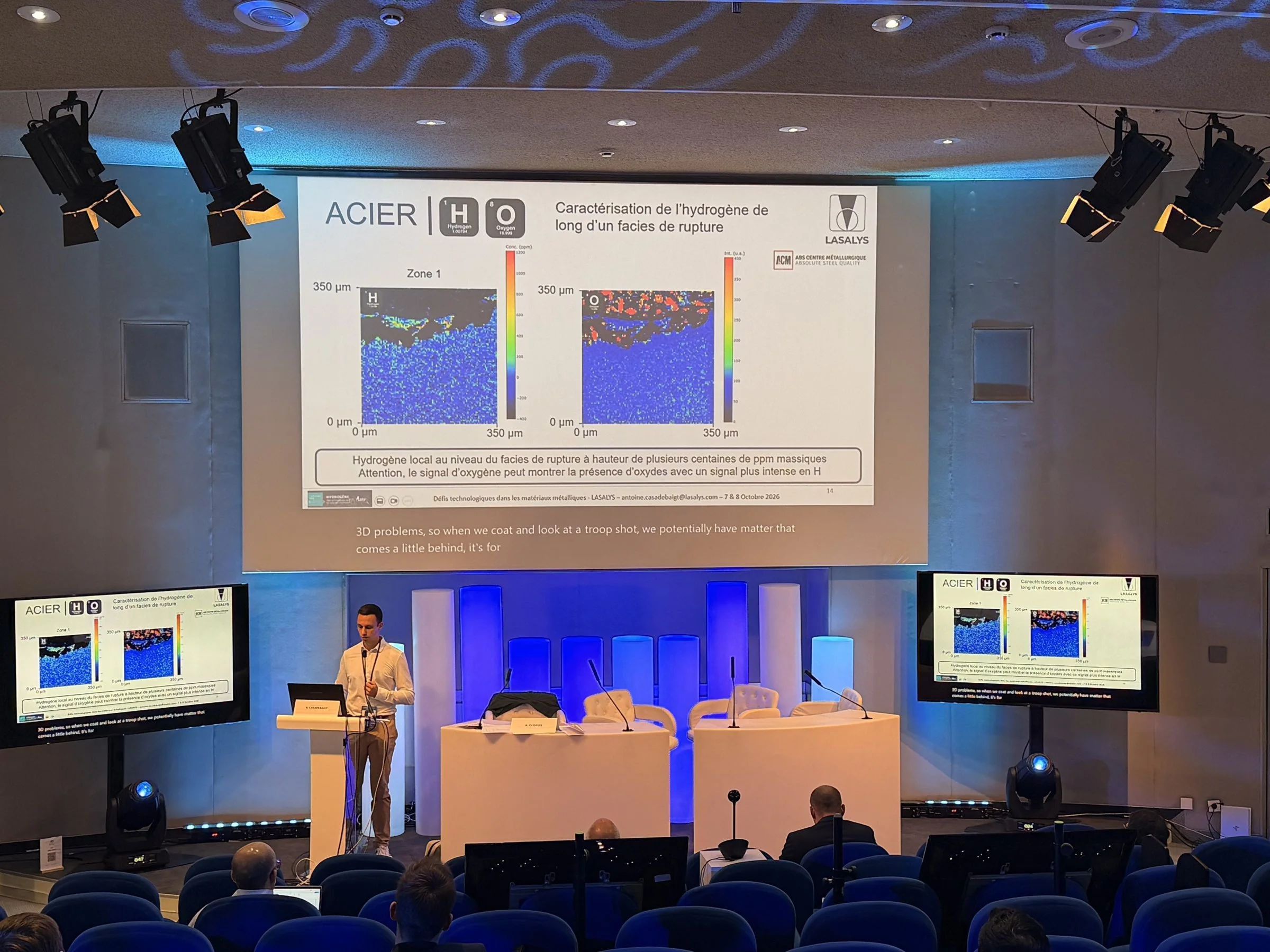
hydrogen metrology in metallic matrices;
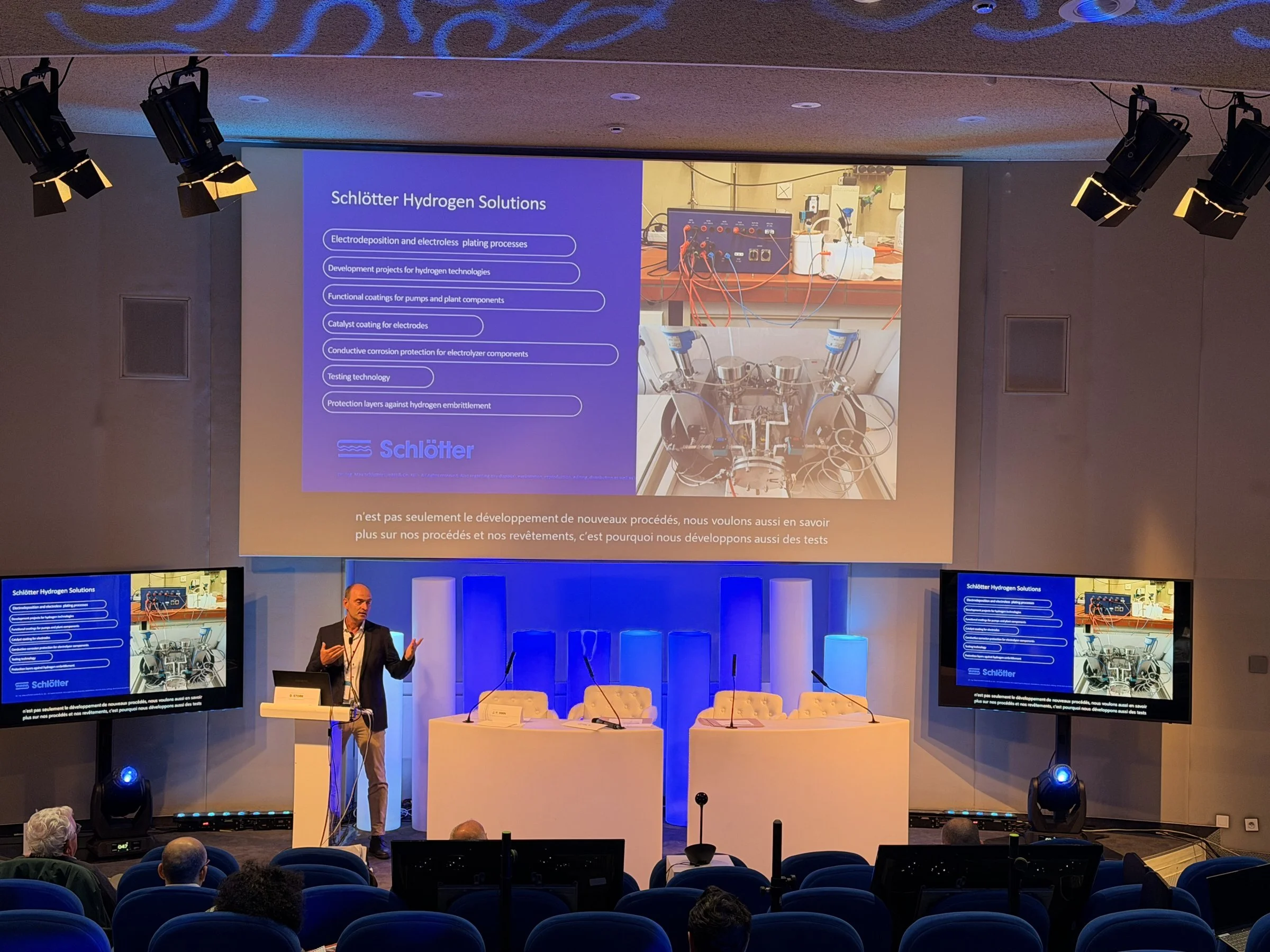
the surface coating technologies used for the active components of electrolyzers.
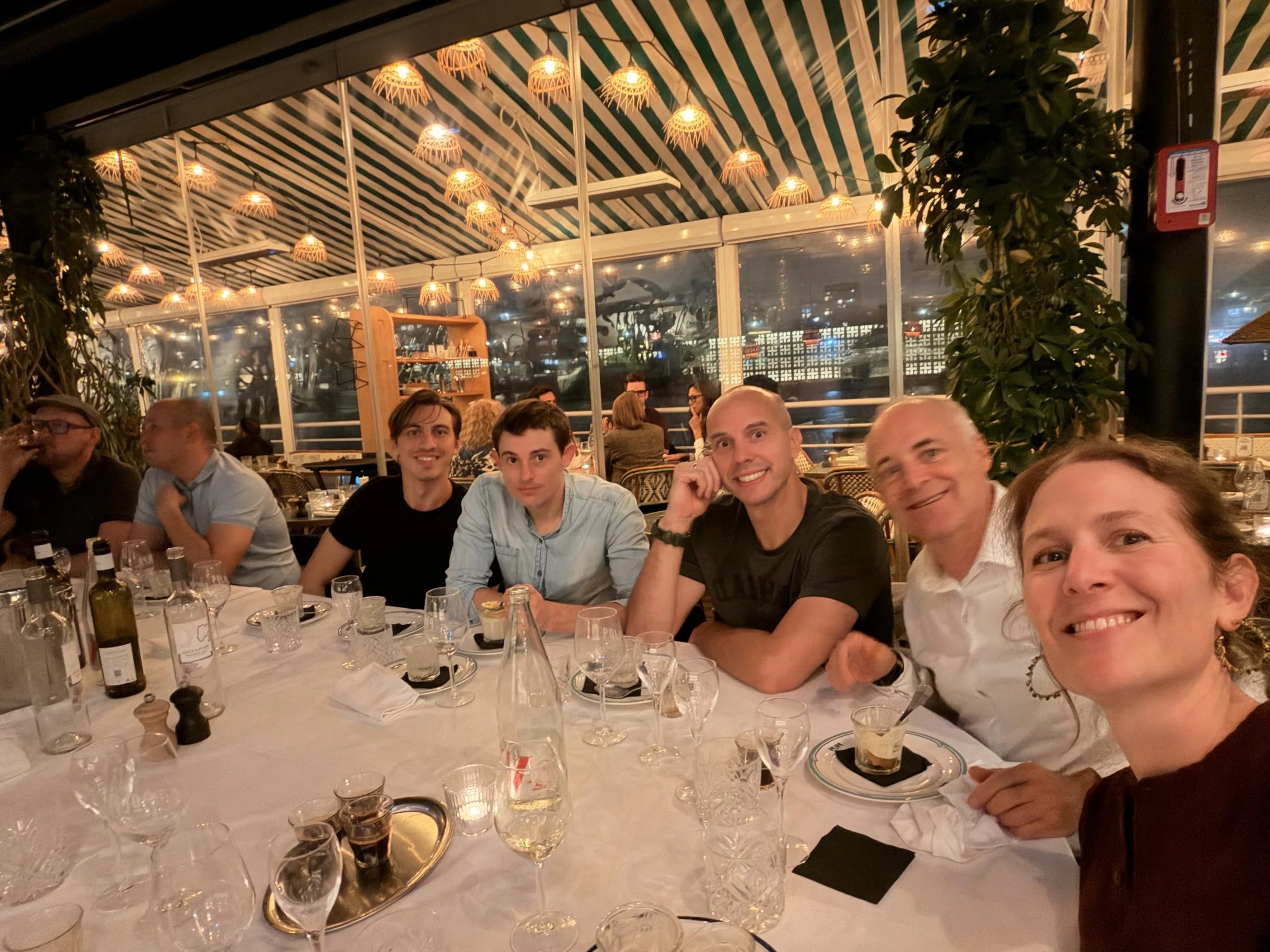
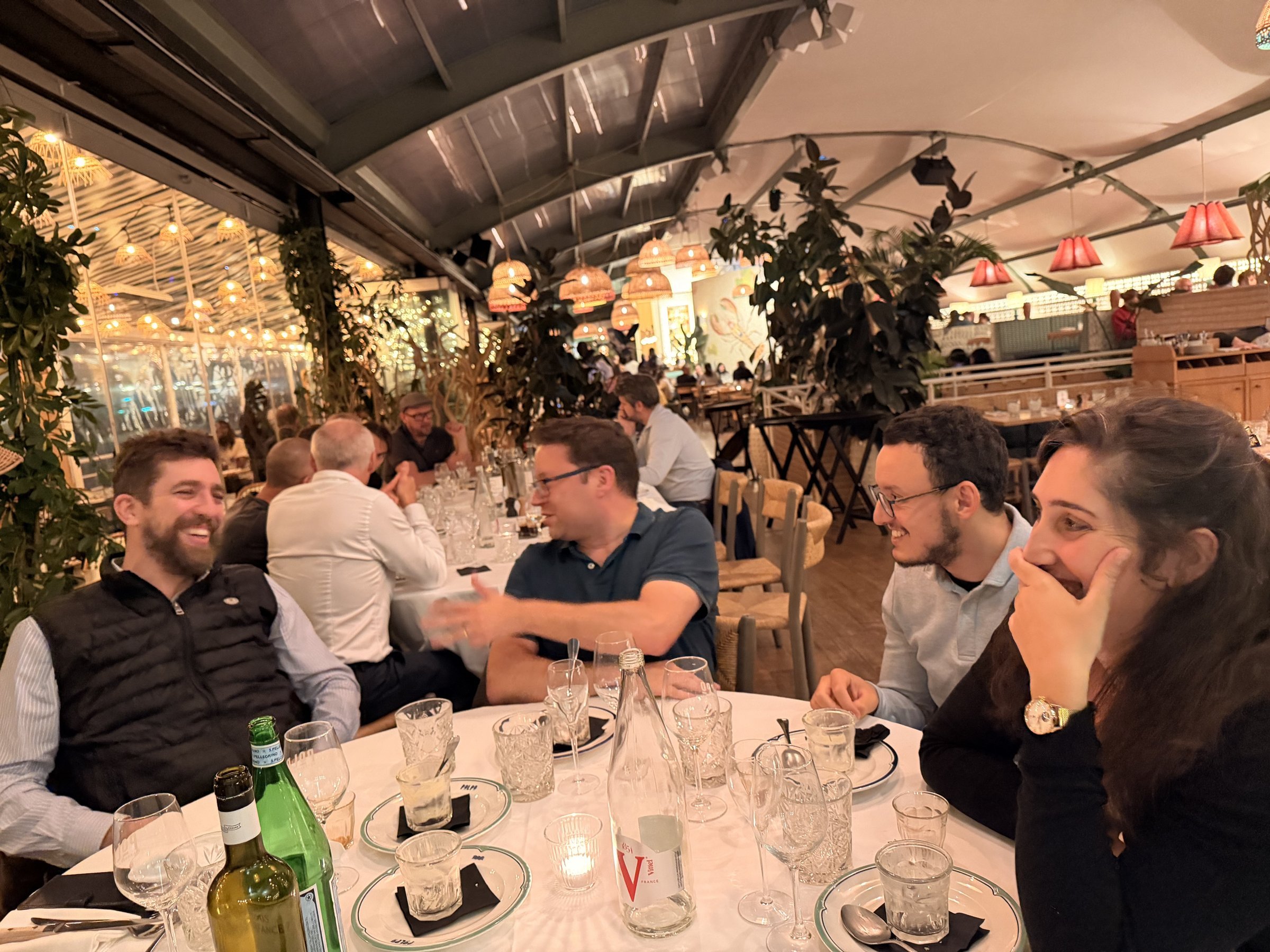
In addition to the presentations, participants enjoyed the event and the opportunities for socializing—breaks, lunch buffets, and a convivial dinner—which provided chances to meet others, network, and discuss the topics covered by the speakers.
These events owe their success to the contributions made by:
the following laboratories: Centrale Lyon / ENISE, Mines Paris PSL / Center for Materials, Mines Saint-Étienne, University of La Rochelle / LaSIE, University of Quebec at Trois-Rivières, UTINAM, University of Lorraine, Sorbonne University, IRT M2P;
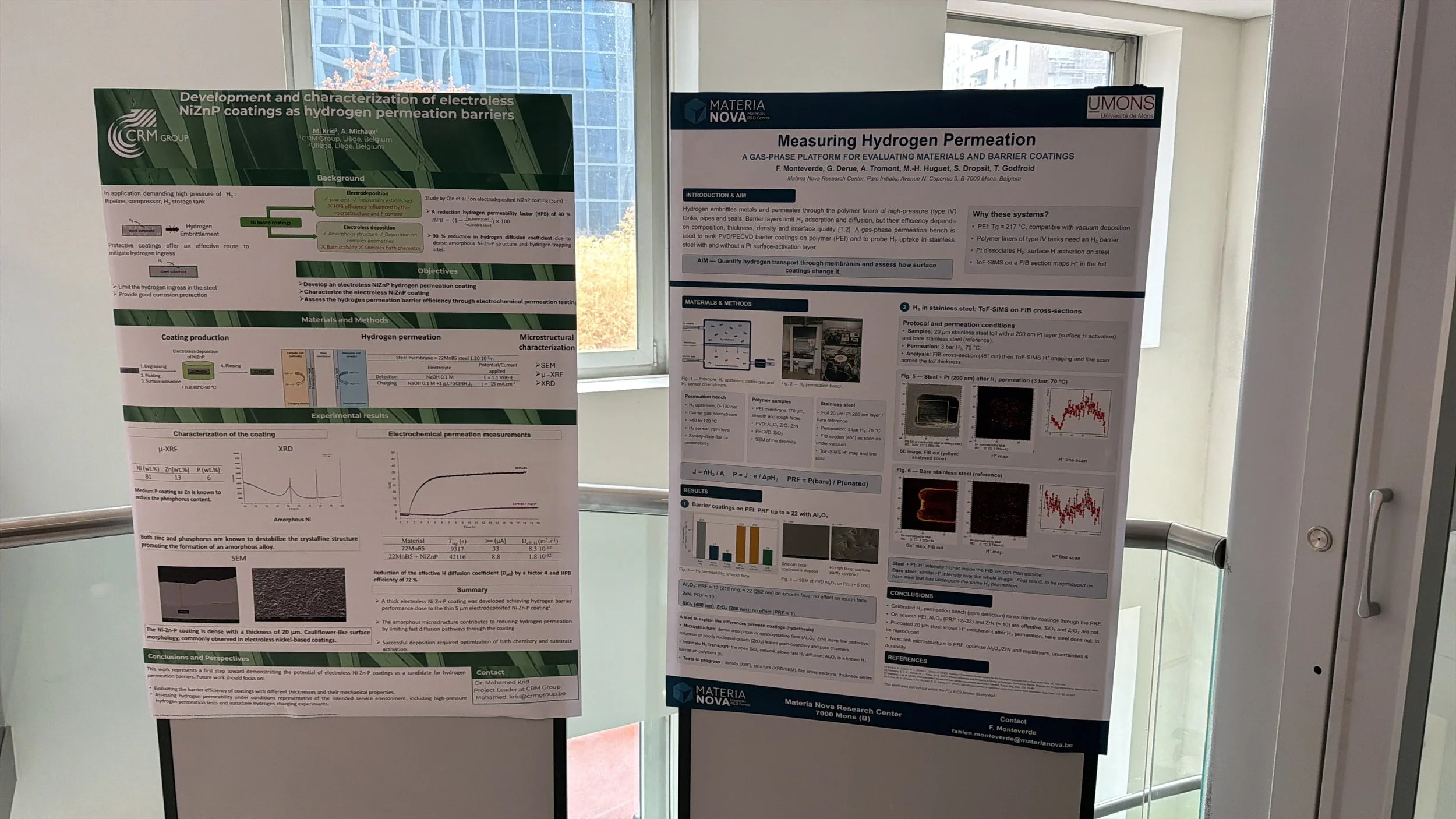
technical centers: Cetim, CRM, Materia Nova;
Manufacturers and suppliers of technology and services: NATRAN, ABS, Tetra Packaging, LECO, Lasalys, Schlotter, HEF.
See you in 2028 for the next edition!